

Introduction
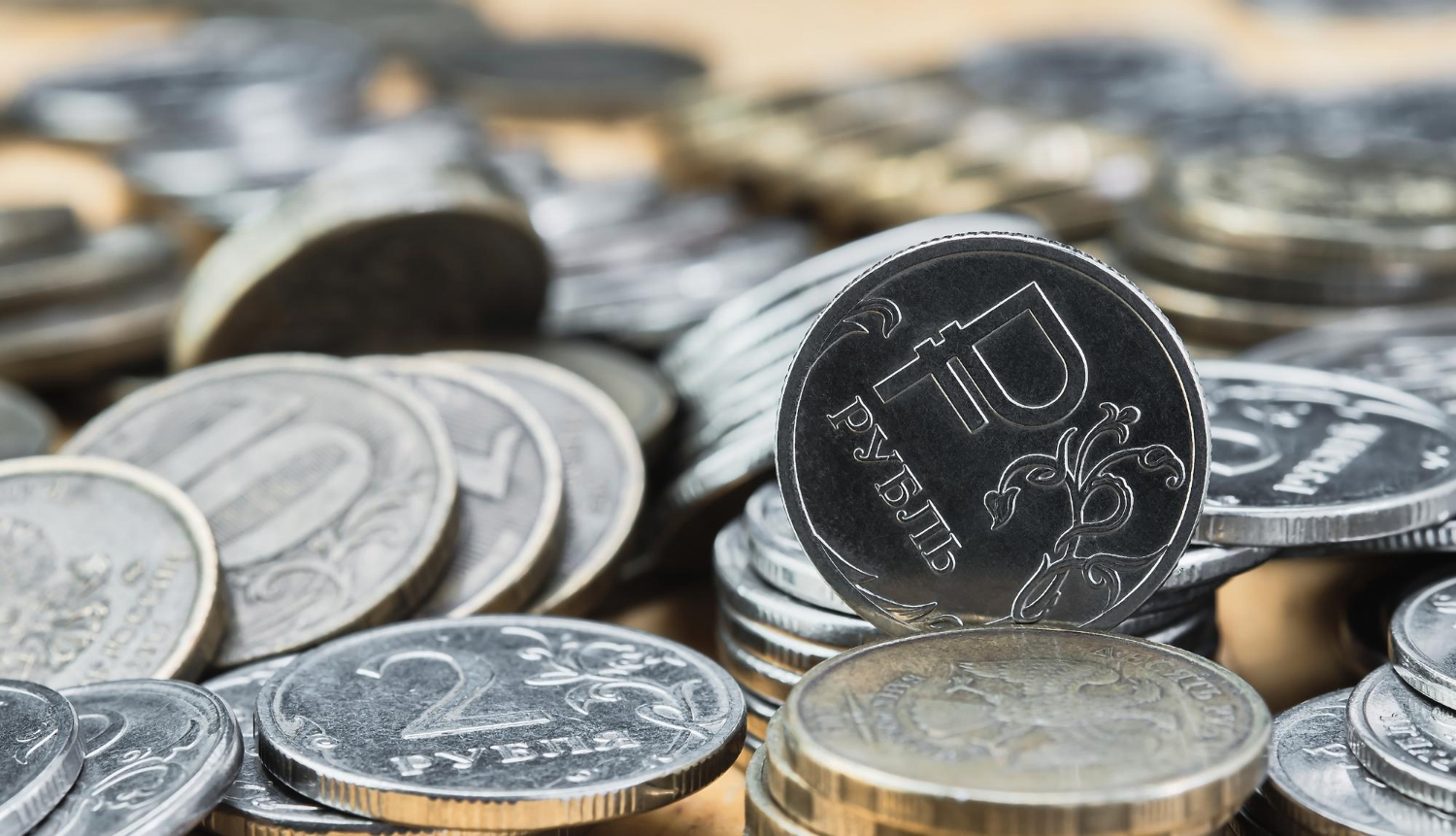
Russia’s economy has faced a complex and challenging environment over the past few years as international sanctions, geopolitical tensions, and structural economic weaknesses continue to shape its financial outlook. Since the escalation of geopolitical conflicts and the subsequent wave of sanctions imposed by Western nations, Russia has been forced to adapt to a rapidly changing global economic landscape. While the country initially demonstrated resilience by stabilizing its currency, redirecting trade, and increasing domestic production, the cumulative effects of sanctions are now beginning to exert deeper pressure on economic growth, investment, and consumer confidence.
Sanctions targeting Russia’s banking system, energy exports, technology imports, and financial institutions have gradually constrained the country’s economic flexibility. Although Russia has managed to maintain some economic activity through alternative trade partners and government spending, the broader outlook indicates slowing growth, declining industrial output in certain sectors, and rising fiscal strain. Businesses are struggling with limited access to advanced technologies and global markets, while consumers are facing inflationary pressures and reduced purchasing power.
At the same time, the Russian government has attempted to counterbalance these challenges through policy measures such as increased military and infrastructure spending, import substitution strategies, and stronger economic ties with non-Western countries. However, these measures offer only partial relief and often come with long-term economic trade-offs.
This article examines the key factors behind Russia’s slowing economy as sanctions pressure mounts. It explores how restrictions on trade, finance, and technology are influencing economic performance, the role of energy exports in sustaining government revenue, and the broader implications for Russia’s economic stability in the years ahead.
The Impact of Western Sanctions on Russia’s Financial System
One of the most significant challenges facing Russia’s economy is the continued pressure from Western sanctions targeting its financial system. Following geopolitical conflicts and policy disputes with Western nations, Russia faced sweeping restrictions that limited its access to international capital markets, banking networks, and foreign financial services.
These sanctions have targeted major Russian banks, sovereign debt markets, and financial institutions. By restricting Russia’s ability to borrow from global markets and access Western financial infrastructure, sanctions have significantly complicated the country’s financial operations. Russian banks have had to rely more heavily on domestic funding and alternative payment systems to conduct international trade and financial transactions.
Another major challenge is the restriction on Russia’s access to the global SWIFT payment system for several banks. This move disrupted traditional trade payments and forced Russian businesses to develop alternative settlement systems with partner countries. While Russia has tried to expand its own payment systems and use currencies like the Chinese yuan for trade, the transition has been costly and inefficient.
The sanctions have also impacted investor confidence. Foreign direct investment in Russia has declined sharply as international companies reassess the risks associated with operating in the Russian market. Many multinational corporations have exited the country or suspended operations, leaving gaps in sectors such as retail, manufacturing, and technology.
Moreover, restrictions on sovereign debt and financial transactions have increased borrowing costs for the Russian government and corporations. Domestic financial institutions must now bear a greater burden in funding economic activities, which reduces overall financial flexibility.
Despite these obstacles, Russia has managed to stabilize its financial system to some extent through strict capital controls, currency management policies, and increased state intervention. However, these measures are not long-term solutions. Over time, limited access to global capital and financial networks could significantly constrain economic growth and innovation.
Energy Exports and the Changing Global Trade Landscape
Energy exports have historically been the backbone of Russia’s economy. Oil and natural gas sales generate a large portion of government revenue and foreign currency earnings. However, sanctions targeting the energy sector have significantly altered the global trade dynamics for Russian energy.
Western countries, particularly in Europe, have reduced their reliance on Russian oil and gas following geopolitical tensions. Europe once served as Russia’s largest energy market, but the shift toward alternative suppliers and renewable energy sources has forced Russia to redirect its exports toward other regions.
In response, Russia has increased energy shipments to countries such as China, India, and other Asian economies. These markets have become critical for sustaining Russia’s energy revenues. However, selling energy to new markets often requires offering significant discounts compared to global prices, which reduces profit margins.
Another challenge lies in transportation and logistics. Infrastructure such as pipelines and shipping routes was originally designed to supply European markets. Redirecting exports to Asia requires new infrastructure investments, expanded port capacity, and additional logistical planning.
Sanctions on energy technology and services also pose long-term risks. Western companies previously supplied advanced drilling equipment, exploration technologies, and engineering expertise for Russia’s energy sector. Restrictions on these technologies could slow the development of new oil and gas projects, particularly in challenging environments such as the Arctic.
Despite these challenges, high global energy prices in recent years have helped Russia maintain a steady flow of revenue. However, if energy prices decline or global demand weakens, Russia’s heavy reliance on energy exports could expose the economy to further instability.
The changing global trade landscape has therefore forced Russia to rethink its economic strategy. Diversifying export markets and investing in new energy infrastructure may provide some relief, but the transition will take time and significant financial resources.
Industrial Challenges and Technology Restrictions
Another major consequence of sanctions is the restriction on technology imports and industrial equipment. Many advanced technologies used in sectors such as aerospace, automotive manufacturing, electronics, and energy exploration were previously sourced from Western countries.
With sanctions limiting access to these technologies, Russian industries have faced significant disruptions. Manufacturing companies struggle to obtain critical components, while production lines in certain sectors have slowed or halted altogether. The automotive industry, for example, has experienced shortages of imported parts and electronic systems necessary for modern vehicles.
Technology restrictions also affect Russia’s ability to maintain and upgrade its industrial infrastructure. Without access to cutting-edge equipment and software, productivity gains become more difficult to achieve. This limitation can gradually erode competitiveness in global markets.
To address these challenges, Russia has pursued a policy known as “import substitution.” This strategy aims to replace foreign goods and technologies with domestically produced alternatives. While the policy has led to some progress in sectors such as agriculture and basic manufacturing, achieving technological independence remains a difficult task.
Developing advanced technologies requires substantial research and development investment, skilled labor, and access to global knowledge networks. Sanctions have complicated these factors by limiting collaboration with international partners and restricting technology transfers.
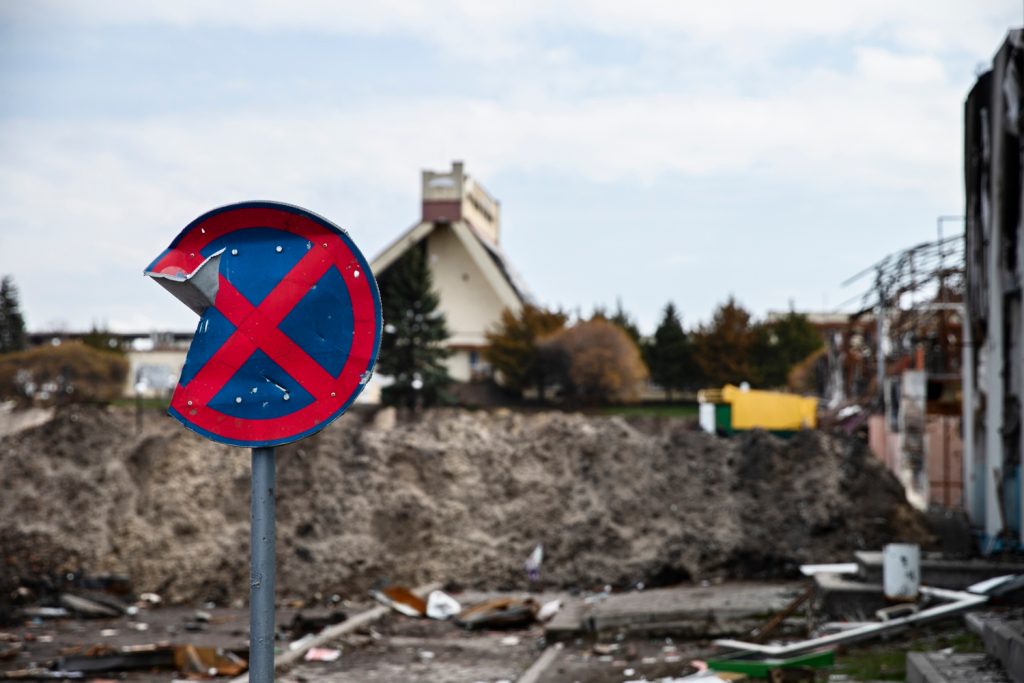
Furthermore, the departure of foreign companies from Russia has created gaps in industries that previously relied on international expertise. Many multinational firms brought advanced management practices, technical knowledge, and supply chain efficiency that domestic companies now struggle to replicate.
As a result, Russia’s industrial sector faces a period of adjustment. While domestic production may gradually replace some imports, achieving full technological independence could take many years and require sustained investment.
Government Spending and Fiscal Pressures
In response to economic challenges and sanctions, the Russian government has increased its role in supporting the economy through fiscal policy and state spending. Public spending has risen significantly, particularly in areas related to defense, infrastructure development, and social support programs.
Higher government spending has helped stimulate economic activity and maintain employment in key sectors. Infrastructure projects, for example, create jobs and support domestic industries such as construction, steel production, and transportation.
However, increased spending also places pressure on the national budget. Russia relies heavily on energy revenues to fund government programs, and fluctuations in oil and gas prices can have a major impact on fiscal stability.
Sanctions and trade restrictions have also reduced some sources of tax revenue, particularly from foreign investment and international business operations. To compensate, the government may need to draw from sovereign wealth funds or increase borrowing within the domestic financial system.
Another concern is inflation. Increased government spending combined with supply chain disruptions can push prices higher. Rising inflation reduces consumer purchasing power and may force the central bank to maintain higher interest rates, which can slow economic growth.
Russia’s fiscal policy must therefore balance the need for economic support with long-term financial sustainability. Excessive spending could deplete financial reserves, while insufficient support could lead to deeper economic contraction.
Maintaining this balance is particularly challenging in an environment where sanctions continue to evolve and global economic conditions remain uncertain.
The Long-Term Outlook for Russia’s Economic Growth
Looking ahead, the long-term outlook for Russia’s economy depends on several key factors, including geopolitical developments, global energy demand, technological progress, and domestic economic reforms.
One of the biggest challenges will be maintaining economic growth without access to many Western markets and technologies. Diversifying trade partnerships and strengthening ties with emerging economies may help offset some of these limitations, but such transitions take time and may not fully replace previous economic relationships.
Another important factor is demographic trends. Russia faces a declining and aging population, which can limit workforce growth and reduce productivity over time. Addressing demographic challenges requires policies that encourage workforce participation, improve healthcare, and support family growth.
Innovation and technological development will also play a critical role in determining Russia’s future economic trajectory. Investing in education, research, and digital infrastructure could help the country develop domestic technologies and reduce reliance on foreign suppliers.
However, achieving these goals requires stable economic conditions and sustained investment. Continued sanctions and geopolitical uncertainty may discourage long-term investment and limit opportunities for economic modernization.
At the same time, Russia possesses significant natural resources, industrial capacity, and a large domestic market. These strengths could provide a foundation for economic stability if managed effectively.
Ultimately, the pace of Russia’s economic growth will depend on how successfully the country adapts to the constraints imposed by sanctions while pursuing structural reforms that promote productivity and diversification.
Conclusion
Russia’s economy is entering a period of slower growth as the cumulative effects of international sanctions begin to weigh more heavily on financial systems, trade networks, and industrial development. While the country initially demonstrated resilience through currency stabilization, alternative trade partnerships, and government intervention, the long-term economic challenges are becoming increasingly visible.
Sanctions targeting financial institutions, technology imports, and energy exports have created structural obstacles that limit economic flexibility. Russian industries face difficulties accessing advanced equipment and global markets, while investors remain cautious about committing capital in an uncertain geopolitical environment.
Energy exports continue to provide an important source of revenue, but shifting global demand and logistical challenges complicate Russia’s traditional export model. At the same time, increased government spending is helping to support economic activity, though it raises concerns about fiscal sustainability and inflation.
Despite these challenges, Russia retains significant economic resources and has begun exploring new trade relationships and domestic production strategies. The effectiveness of these efforts will largely determine the country’s economic trajectory in the coming years.
As sanctions pressure mounts, Russia’s ability to adapt through innovation, diversification, and strategic economic policies will be critical. The coming decade will likely define whether Russia can successfully restructure its economy or face prolonged periods of slow growth and financial strain.