
Introduction
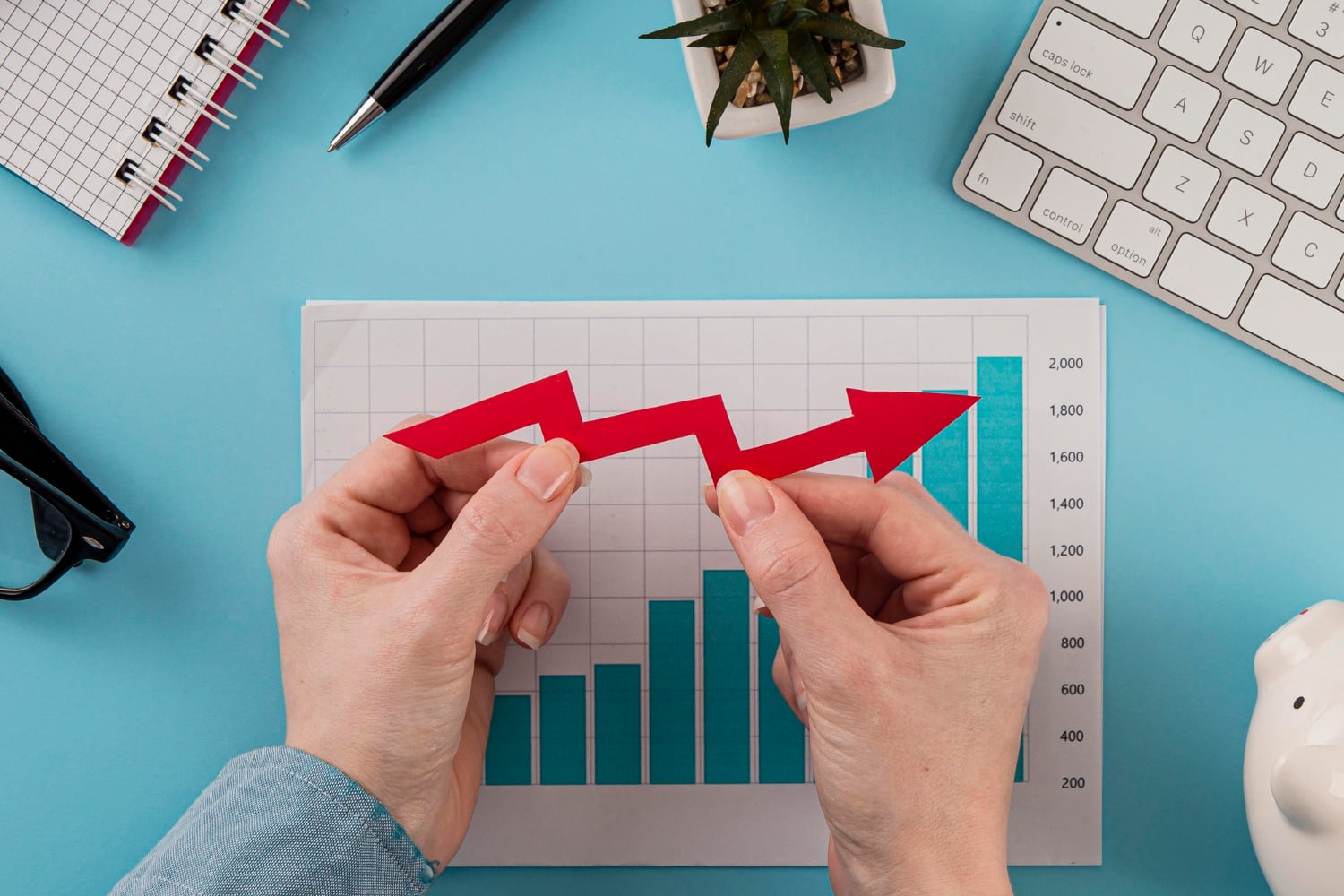
Economic growth is often discussed as if it moves in a straight line, either rising steadily or falling sharply. In reality, growth usually changes pace over time, responding to a wide range of forces that affect households, businesses, governments, and international markets. When analysts say growth is expected to slow significantly across quarters, they mean that the economy may continue expanding, but at a weaker rate in each successive reporting period. This is an important distinction because slower growth does not always mean immediate recession. Instead, it can signal a period of adjustment in which demand cools, investment becomes more selective, and consumers grow cautious.
Quarterly growth trends matter because they provide a more frequent picture of economic momentum than annual figures. A country may report positive yearly growth while still experiencing several quarters of weakening activity. Investors, policymakers, and businesses closely monitor these shorter intervals because they reveal whether confidence is strengthening or fading. A significant slowdown across quarters can reshape corporate planning, hiring decisions, public spending priorities, and market expectations.
Many economies today face a combination of pressures that can contribute to slower expansion. High borrowing costs reduce appetite for loans and large purchases. Persistent inflation can erode household purchasing power even if price increases are easing. Global trade may weaken when major markets reduce imports or when supply chains remain fragile. Political uncertainty, regulatory shifts, and geopolitical tensions can also discourage long-term commitments. At the same time, consumers may become more careful after periods of rapid spending, especially if savings buffers decline.
The phrase “expected to slow significantly” usually reflects forecasts based on recent data rather than certainty about the future. Economists analyze employment trends, industrial output, retail sales, credit conditions, business sentiment, and external demand to estimate what lies ahead. These forecasts can change quickly if new policies are introduced or if confidence improves unexpectedly. However, when many indicators point in the same direction, the warning deserves serious attention.
Understanding why growth may weaken across quarters is essential for anyone affected by the economy, which means nearly everyone. Workers may wonder about job security, entrepreneurs may reconsider expansion, and families may adjust budgets. Governments may need to balance inflation control with measures that support activity. Slower growth creates challenges, but it can also encourage healthier long-term decisions if addressed wisely. Examining the causes, effects, and possible responses helps explain why such forecasts matter far beyond financial headlines.
Reasons Behind the Expected Slowdown
One of the most common reasons for slowing growth is tighter monetary policy. When central banks raise interest rates to control inflation, borrowing becomes more expensive for households and businesses. Mortgage payments rise, car loans cost more, and corporate financing becomes less attractive. As a result, spending on homes, durable goods, and expansion projects often declines. Because rate changes take time to move through the economy, their strongest impact may appear over several quarters rather than immediately.
Consumer demand can also soften after a period of strong recovery or rapid spending. During times of optimism, households may draw on savings, increase travel, and purchase discretionary goods. Eventually, those trends can fade. If wages fail to keep pace with living costs, consumers may prioritize essentials and delay optional purchases. Since personal consumption drives a large share of activity in many economies, even modest restraint can noticeably slow growth.
Business investment is another crucial factor. Companies expand when they expect rising demand and stable returns. If profit margins narrow, financing costs rise, or uncertainty increases, firms often postpone hiring, factory upgrades, technology spending, or new market entry. This hesitation can reduce productivity gains and weaken momentum across several industries. Smaller firms may feel the pressure more sharply because they often depend on credit access and shorter planning cycles.
External conditions matter as well. Many countries rely on exports, tourism, commodity sales, or cross-border capital flows. If major trading partners slow down, demand for imported goods falls. A manufacturing nation may receive fewer orders, while a tourism-driven economy may see fewer visitors. Commodity exporters can be hit by lower prices even when volumes remain stable. Because global economies are interconnected, weakness in one region often spreads through trade and financial channels.
Government policy can also influence quarterly growth patterns. Reduced public spending, delayed infrastructure projects, or higher taxes may cool activity. In some cases, fiscal restraint is necessary to manage debt or inflation risks, but it can temporarily reduce momentum. Conversely, political deadlock may delay investment decisions if businesses are unsure about future regulations or incentives.
Finally, structural challenges can magnify cyclical weakness. Aging populations may reduce labor force growth. Skills mismatches can leave vacancies unfilled while unemployment remains elevated. Low productivity growth can limit income gains and competitiveness. Energy constraints, climate disruptions, and logistical bottlenecks may raise costs and lower efficiency. When these deeper issues combine with short-term pressures, forecasts of significant slowing become more likely and more persistent.
Impact on Businesses, Workers, and Markets
A broad slowdown across quarters affects different groups in different ways, though the overall theme is greater caution. Businesses often respond first by reviewing budgets and prioritizing essential spending. Expansion plans that seemed reasonable during stronger growth may be delayed. Companies may reduce marketing budgets, slow recruitment, renegotiate supplier contracts, or focus on cost control. Firms in cyclical sectors such as construction, retail, and manufacturing are often more exposed than those providing essential services.
Small and medium enterprises can face particular stress during slower growth periods. These businesses may have limited cash reserves and less bargaining power with lenders or suppliers. If customer demand weakens while financing costs remain high, profitability can narrow quickly. Some firms adapt by changing product lines, improving efficiency, or shifting to digital sales channels. Others may struggle to survive prolonged weakness.
Workers may notice the slowdown through hiring trends before unemployment rises sharply. Job openings may decline, temporary contracts may not be renewed, and wage growth may moderate. Employers often prefer to freeze hiring or reduce overtime before making large layoffs. For job seekers, competition may increase as fewer positions become available. Younger workers and recent graduates can find it especially challenging to enter the market during softer periods.

Households may respond by becoming more financially defensive. Families may reduce discretionary purchases, postpone home upgrades, or increase savings if possible. Demand for value-oriented products often rises, while premium segments may weaken. If confidence falls sharply, this behavior can reinforce slower growth because reduced spending lowers business revenues and investment appetite.
Financial markets usually react in advance of confirmed economic data. Equity investors may favor defensive sectors such as healthcare, utilities, or consumer staples while reducing exposure to more cyclical industries. Bond markets may anticipate future interest-rate cuts if the slowdown becomes pronounced. Currency markets can also move depending on how one country’s outlook compares with others. However, markets do not always move in a straight line. If investors believe weaker growth will lead to supportive policy changes, some assets may recover even amid softer data.
Real estate markets can feel the effects through reduced demand, especially when borrowing costs remain elevated. Residential buyers may delay purchases, and commercial property demand can soften if companies reduce office expansion or retail footprints. Construction activity may cool, affecting related sectors such as materials, logistics, and home furnishings.
Overall, the impact of slower growth is not just lower numbers in official reports. It changes behavior. Businesses become selective, workers become cautious, households become budget-conscious, and markets become sensitive to every new signal.
Policy Responses and Strategic Adjustments
When growth is expected to slow significantly across quarters, policymakers face a delicate balancing act. If inflation remains above target, central banks may hesitate to cut rates quickly even as activity weakens. If price pressures are easing, they may signal a more supportive stance to prevent an unnecessary downturn. Clear communication becomes critical because uncertainty itself can discourage investment and spending.
Governments can use fiscal tools to cushion the slowdown. Infrastructure spending can create jobs while improving long-term productivity. Targeted tax relief or support for lower-income households may sustain consumption because these groups tend to spend a larger share of additional income. Programs that encourage business investment, research, or training can strengthen future competitiveness rather than simply boosting short-term demand.
Labor market policies are also important. Retraining programs help workers move into sectors with stronger demand, especially when technology or structural shifts change employment patterns. Apprenticeships, digital skills initiatives, and regional mobility support can reduce the mismatch between available jobs and available workers. Preserving labor force participation helps economies recover faster when conditions improve.
Businesses themselves are not passive observers. During slower periods, strong management decisions can make a major difference. Companies may focus on operational efficiency, diversify revenue sources, improve customer retention, and invest selectively in automation or analytics. Firms that maintain balance-sheet discipline during weak phases are often better positioned to expand when growth returns.
Households can also adjust strategically. Building emergency savings, reducing high-cost debt, and planning budgets carefully can improve resilience. Consumers may compare prices more actively, delay nonessential purchases, or seek additional income sources. While such caution may slow aggregate demand in the short term, it can strengthen household finances over time.
International cooperation can help when multiple economies slow simultaneously. Trade facilitation, stable energy markets, coordinated financial oversight, and reduced policy uncertainty support confidence. In a highly connected world, no large economy operates in isolation. Measures that stabilize one region can have positive spillovers elsewhere.
Still, not every slowdown requires aggressive intervention. Sometimes an economy needs to cool after overheating, allowing inflation to fall and imbalances to ease. The goal is not to prevent every deceleration, but to avoid a damaging spiral in which falling confidence leads to sharper contraction. Effective responses depend on diagnosing whether weakness is temporary, structural, or policy-driven.
Conclusion
Growth expected to slow significantly across quarters is a serious signal, but not automatically a crisis. It suggests that economic momentum is weakening over time, often due to a mix of higher borrowing costs, cautious consumers, softer investment, weaker global demand, and structural constraints. Because quarterly trends reveal changes sooner than annual data, they are closely watched by decision-makers across society.
The consequences can be wide-ranging. Businesses may postpone expansion, workers may face fewer opportunities, households may tighten spending, and markets may become volatile. Yet slower growth also creates incentives for smarter planning, stronger balance sheets, and reforms that improve long-term resilience. Periods of moderation can expose weaknesses that were hidden during boom times.
Policy choices are especially important in such moments. Authorities must balance support for activity with the need to control inflation, manage debt, and preserve credibility. Well-targeted fiscal measures, sensible monetary guidance, labor market investment, and productivity-enhancing reforms can reduce the damage and prepare the economy for renewed expansion.
For companies and individuals, adaptability is key. Organizations that improve efficiency and remain financially disciplined often emerge stronger. Households that manage debt and maintain savings are better able to navigate uncertainty. Slower growth can be uncomfortable, but it does not remove opportunity for those who prepare carefully.
Ultimately, economies move in cycles. A significant slowdown across quarters may mark the transition from rapid expansion to a more sustainable pace, or it may signal deeper weakness that requires intervention. The difference depends on underlying conditions and the quality of responses. By understanding the causes and acting thoughtfully, governments, businesses, and citizens can turn a challenging phase into the foundation for more stable future growth.