


Introduction
Interest rates are a fundamental component of modern economies, influencing virtually every aspect of financial activity, from individual borrowing decisions to multinational investment strategies. They act as the price of money, representing the cost of borrowing or the reward for saving. Central banks, such as the Federal Reserve in the United States or the European Central Bank, manipulate interest rates to regulate economic growth, control inflation, and stabilize financial markets. Yet, the reach of interest rates extends far beyond domestic borders, affecting international trade, investment flows, currency values, and even geopolitical strategies.
In essence, interest rates are not just a domestic monetary tool; they are a global economic lever. Changes in interest rates in one major economy can trigger ripple effects worldwide, influencing emerging markets, global supply chains, and cross-border capital flows. This interconnectedness has made interest rate policy one of the most closely watched and debated aspects of economic governance. This article delves into the ways in which interest rates shape the global economy, exploring their influence on investment, inflation, currency markets, and the broader dynamics of international finance.
Interest Rates and Investment Dynamics
Investment is the lifeblood of economic growth. From corporations funding new projects to governments financing infrastructure, the decisions around investment are highly sensitive to interest rate changes. Lower interest rates generally make borrowing cheaper, encouraging businesses and individuals to invest in expansion, research, and development. Conversely, higher rates can dampen investment activity as borrowing costs rise and prospective returns shrink.
Corporate Investment and Capital Allocation
Corporations often rely on debt financing to fund projects. When interest rates are low, firms can borrow at reduced costs, increasing the likelihood of undertaking long-term investments. These investments might include building factories, upgrading technology, or expanding into new markets. On the other hand, higher interest rates increase the cost of capital, leading to more conservative investment decisions. This directly impacts productivity growth, employment opportunities, and innovation.
Interest rates also affect the evaluation of investment projects. Financial managers use discount rates to assess the net present value of future cash flows. When interest rates rise, the discount rate increases, reducing the present value of future earnings and making long-term projects less attractive. In contrast, falling interest rates make future cash flows more valuable, incentivizing investment.
Consumer Investment Decisions
Interest rates also shape consumer behavior, particularly in sectors like real estate and durable goods. Lower rates reduce mortgage costs, encouraging home purchases, while higher rates discourage borrowing and slow down housing markets. Consumer borrowing for cars, appliances, and education also fluctuates with interest rates, influencing overall consumption patterns. Since consumption is a key driver of GDP, these changes reverberate throughout the economy.
Global Investment Flows
Interest rates in major economies influence cross-border capital flows. Higher rates in a country attract foreign investment, as investors seek better returns on savings and bonds. This inflow of capital can strengthen the domestic currency, impact trade balances, and create challenges for export competitiveness. Conversely, lower interest rates can prompt capital outflows as investors seek higher yields elsewhere.
Emerging markets are particularly sensitive to interest rate fluctuations in advanced economies. For example, a rise in U.S. interest rates can lead to capital flight from emerging markets, causing currency depreciation, higher borrowing costs, and financial instability. This interconnectedness demonstrates how domestic monetary policy decisions can have profound global consequences.
Interest Rates, Inflation, and Monetary Stability
One of the primary objectives of adjusting interest rates is to maintain price stability. Inflation—the sustained rise in the general price level—erodes purchasing power and can destabilize economies if left unchecked. Central banks use interest rate policies as a key tool to control inflation, influencing both spending and saving behaviors.
Interest Rates as an Inflation Control Tool
When inflation is high, central banks often increase interest rates to cool the economy. Higher borrowing costs discourage spending and investment, reducing demand for goods and services, which in turn slows inflation. Conversely, during periods of low inflation or deflation, central banks may lower interest rates to stimulate spending, encourage borrowing, and reinvigorate economic growth.
The relationship between interest rates and inflation is not always linear. Inflation can be influenced by supply-side factors, commodity prices, or global disruptions, sometimes rendering monetary policy adjustments less effective. Nonetheless, interest rates remain a critical lever in maintaining price stability, particularly in advanced economies where central banks have greater credibility and institutional authority.
Global Implications of Inflation Control
Inflation control in one major economy can have cascading effects worldwide. For instance, when the U.S. Federal Reserve raises interest rates to combat domestic inflation, the resulting stronger U.S. dollar can increase the debt burden for countries with dollar-denominated liabilities. This dynamic can constrain economic growth in emerging markets, highlighting the global consequences of interest rate policy decisions.
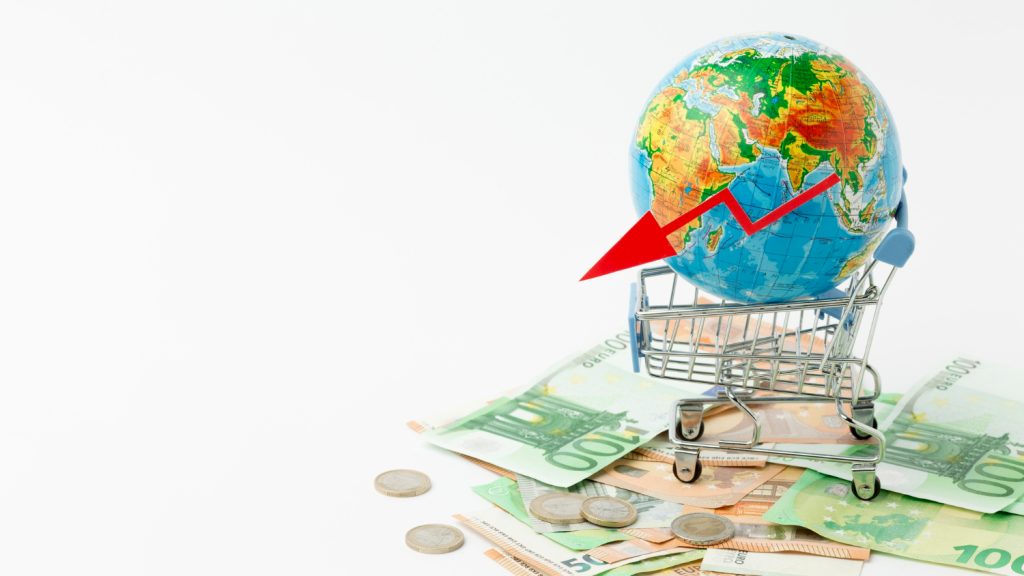
Conversely, prolonged periods of low interest rates in major economies can fuel asset bubbles, as cheap credit drives up stock and real estate prices. While this may temporarily stimulate economic growth, it can also increase financial instability both domestically and internationally. The 2008 global financial crisis is a stark reminder of how interconnected financial markets can amplify the effects of interest rate policies.
Expectations and Market Behavior
Interest rates also shape market expectations. Investors and consumers closely monitor central bank signals to anticipate future economic conditions. A credible commitment to maintaining stable interest rates and controlling inflation fosters confidence, encourages investment, and reduces uncertainty. Conversely, unpredictable or volatile interest rate policies can lead to market instability, speculative behavior, and capital flight, affecting both domestic and global economic conditions.
Interest Rates, Exchange Rates, and Global Trade
Interest rates are a key determinant of exchange rates, which in turn influence international trade competitiveness. When a country raises its interest rates relative to other nations, its currency often appreciates as foreign investors seek higher returns. While a stronger currency can reduce import costs, it can also make exports more expensive, potentially hurting domestic producers reliant on international markets.
Currency Movements and Trade Balances
Exchange rate fluctuations can significantly impact trade balances. Countries with higher interest rates may experience currency appreciation, reducing export competitiveness but making imports cheaper. Conversely, lower interest rates can weaken a currency, boosting exports but increasing the cost of imported goods and inflationary pressures. This delicate balance requires careful monetary management to avoid excessive volatility in trade and capital flows.
Capital Mobility and Global Investment
Interest rate differentials between countries drive international capital mobility. Investors constantly seek higher yields, moving capital from low-interest-rate economies to high-interest-rate economies. This movement affects liquidity, borrowing costs, and investment opportunities globally. Rapid capital inflows can strengthen local currencies and create asset bubbles, while sudden outflows can destabilize financial systems.
Emerging markets, in particular, are vulnerable to these dynamics. Sudden increases in interest rates in developed economies can trigger capital flight, currency depreciation, and rising debt servicing costs, potentially leading to economic crises. Policymakers must therefore coordinate monetary policies, not just domestically but with a global perspective, to mitigate these risks.
Global Trade and Monetary Policy Coordination
Interest rates are not only a domestic concern; they affect global trade patterns. Countries with low interest rates can attract investment into export-oriented industries, while high rates may hinder export competitiveness. Multilateral coordination, such as through the International Monetary Fund (IMF) or global central bank dialogues, becomes essential to stabilize markets, prevent currency wars, and maintain balanced trade relationships.
Conclusion
Interest rates are far more than a domestic economic tool; they are a global economic force shaping investment decisions, inflation dynamics, currency valuations, and international trade. By influencing the cost of borrowing and the return on savings, interest rates determine corporate strategies, consumer behavior, and cross-border capital flows. Changes in interest rates in one major economy can reverberate worldwide, impacting emerging markets, trade balances, and global financial stability.
The interplay between interest rates and the global economy highlights the interconnected nature of modern finance. Policymakers must carefully balance the dual goals of stimulating growth and maintaining stability, recognizing that domestic decisions have far-reaching international implications. In a world of integrated financial markets and rapid capital mobility, understanding the role of interest rates is crucial for predicting economic trends, managing risks, and fostering sustainable growth.
Ultimately, interest rates act as both a barometer and a lever of economic health. Their careful management is essential not only for national prosperity but also for global economic equilibrium. As economies continue to intertwine, the influence of interest rates will remain a central focus for policymakers, investors, and citizens alike, shaping the trajectory of the global economy in profound and lasting ways.