

Introduction
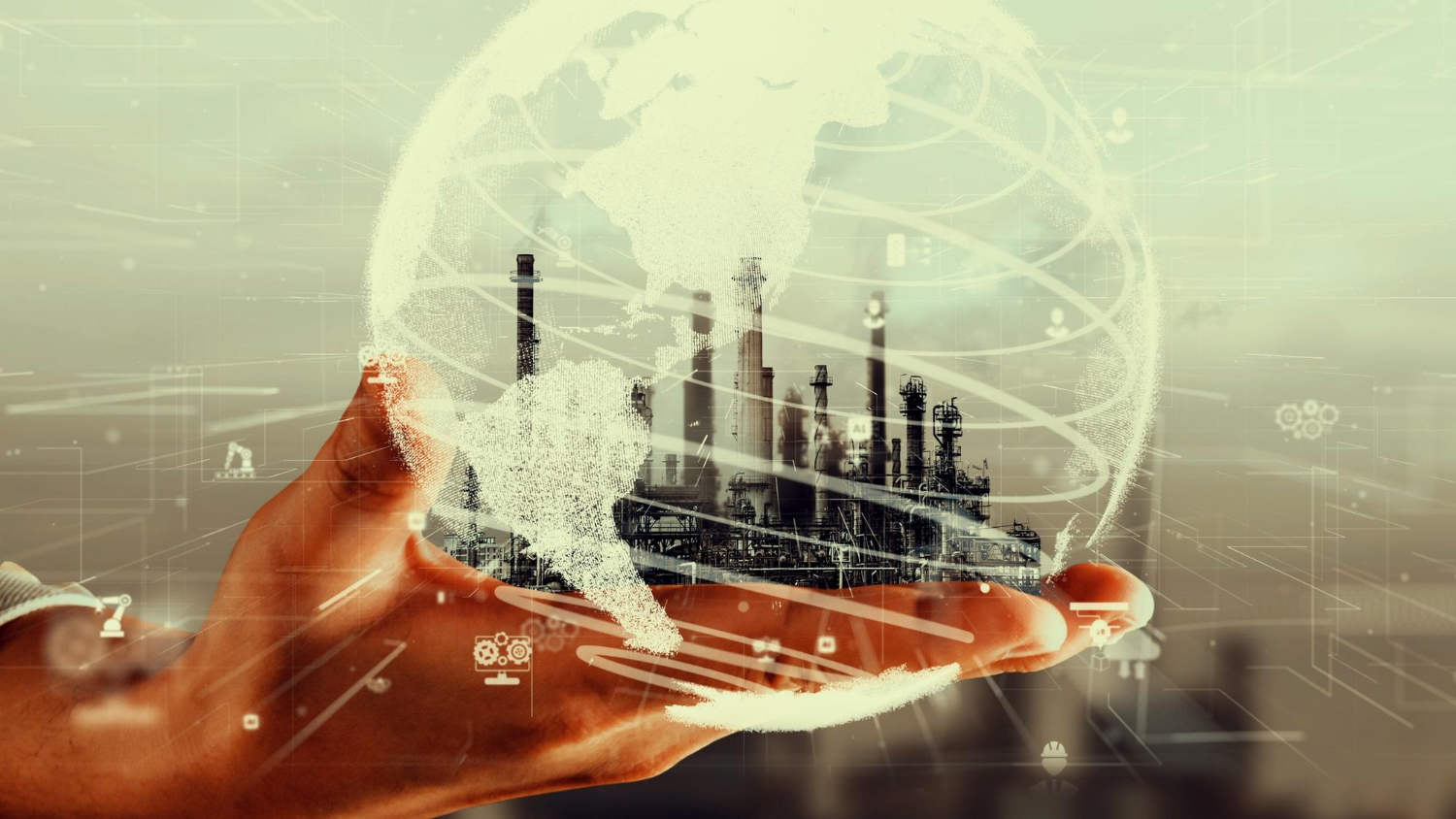
The global economic landscape is undergoing a profound transformation. For much of the twentieth century, the developed world—led by the United States, Western Europe, and Japan—dominated international trade, finance, and innovation. However, the twenty-first century has ushered in a new era characterized by the rapid rise of emerging economies. These countries, once considered peripheral to global economic affairs, are now challenging traditional power structures and redefining what it means to be an economic powerhouse. Nations such as China, India, Brazil, Indonesia, and South Africa are not only expanding their domestic economies but also reshaping global trade patterns, technological innovation, and geopolitical alliances.
The term “emerging economy” generally refers to a nation that is transitioning from a developing to a developed status through sustained industrialization, modernization, and integration into global markets. These economies often feature rapid GDP growth, improving infrastructure, expanding middle classes, and increasing participation in international trade. While their growth trajectories vary, the collective influence of emerging economies has become undeniable. According to the International Monetary Fund (IMF), emerging markets now account for more than 60% of global GDP (on a purchasing power parity basis), signaling a dramatic shift in the world’s economic balance.
This essay explores the dynamics that have propelled emerging economies onto the world stage, the sectors driving their growth, and the challenges and opportunities that lie ahead. Through three key sections—Drivers of Growth in Emerging Economies, Transformative Sectors and Regional Success Stories, and Challenges, Risks, and the Path Forward—we will examine how these nations are positioning themselves as the next global powerhouses.
Drivers of Growth in Emerging Economies
a. Demographic Advantage and Expanding Middle Class
One of the primary catalysts behind the rise of emerging economies is their demographic advantage. Countries like India, Indonesia, and Nigeria possess large, youthful populations that contrast sharply with the aging demographics of developed nations such as Japan and many European states. This young workforce offers a double dividend: a growing labor supply and a rising consumer base.
As these populations move into the working-age bracket, they generate both production capacity and consumption demand. The expansion of the middle class—defined by higher disposable income and changing consumption patterns—has led to increased domestic demand for goods, services, housing, and technology. According to McKinsey Global Institute, by 2030, emerging markets will account for over two-thirds of the global middle class, fundamentally altering the global demand map.
b. Urbanization and Infrastructure Development
Urbanization has been another defining feature of emerging economies. Massive rural-to-urban migration has led to the creation of megacities and industrial hubs that serve as engines of economic activity. For example, China’s rapid urbanization over the past three decades has transformed cities like Shenzhen and Shanghai into global centers of manufacturing and innovation. Similarly, India’s urban corridors—such as Delhi-Mumbai and Bangalore-Chennai—are driving technological and service-sector growth.
Infrastructure development is closely linked to urbanization. Investments in roads, ports, airports, energy grids, and digital infrastructure have facilitated trade, connectivity, and productivity. Governments in emerging economies have recognized infrastructure as a foundation for sustained growth, often supported by international financing and partnerships. The Belt and Road Initiative (BRI) spearheaded by China exemplifies how infrastructure investments can expand economic influence while connecting multiple regions across Asia, Africa, and Europe.
c. Globalization and Trade Integration
Emerging economies have also benefited immensely from globalization and international trade liberalization. The late twentieth and early twenty-first centuries saw many developing nations integrate into the global economy through reforms that encouraged exports, foreign investment, and competitive industries. China’s entry into the World Trade Organization (WTO) in 2001 marked a pivotal moment, enabling it to become the “world’s factory.” Similarly, Vietnam’s export-led growth in textiles and electronics has demonstrated how trade integration can rapidly uplift national economies.
In addition to manufacturing, many emerging economies have become significant players in services and digital trade. India’s information technology (IT) and business process outsourcing (BPO) sectors have positioned it as a leader in knowledge-based industries. Meanwhile, Latin American nations like Mexico and Brazil have leveraged trade agreements—such as USMCA and Mercosur—to enhance regional economic cooperation.
d. Technological Leapfrogging and Innovation
Perhaps one of the most remarkable aspects of emerging economies’ rise is their ability to leapfrog traditional stages of technological development. Without being burdened by legacy systems, these nations have adopted digital technologies at a rapid pace, driving innovation and inclusion. Mobile banking, e-commerce, and renewable energy are three sectors where emerging economies have outpaced expectations.
For instance, Kenya’s M-Pesa revolutionized mobile payments, inspiring similar models across Africa and Asia. In India, platforms like UPI (Unified Payments Interface) have transformed financial inclusion, enabling millions of people to access digital banking. Meanwhile, China has become a leader in e-commerce and fintech, with giants like Alibaba, Tencent, and JD.com influencing global technology trends.
The adoption of artificial intelligence (AI), 5G, and green technologies is also accelerating, positioning emerging economies as both consumers and producers of innovation.
Transformative Sectors and Regional Success Stories
a. Manufacturing and Industrialization
Manufacturing remains the backbone of most emerging economies’ growth trajectories. China’s transformation into the world’s largest manufacturing hub has been nothing short of historic. Low labor costs, efficient logistics, and state-led industrial policies have allowed it to dominate industries ranging from electronics to steel production. However, as wages in China rise, a manufacturing shift is underway toward countries like Vietnam, Indonesia, and Bangladesh, which are becoming attractive destinations for multinational corporations seeking cost-effective production.
India’s “Make in India” initiative has also sought to boost manufacturing by encouraging domestic production and foreign investment. Similarly, Mexico’s proximity to the United States and its robust automotive sector have made it a key player in North American supply chains. This diversification of manufacturing centers is leading to a multipolar industrial world, reducing dependence on any single country and fostering competitive regional clusters.
b. The Digital Economy and Technology Ecosystems
Digital transformation has emerged as a defining feature of modern emerging economies. From fintech and e-commerce to digital governance and artificial intelligence, technology-driven enterprises are reshaping how societies function and interact.
India’s digital ecosystem stands out for its scale and inclusivity. The combination of affordable internet access, a massive developer base, and government-backed digital infrastructure (such as Aadhaar and UPI) has created a fertile environment for startups. Companies like Flipkart, Paytm, and Infosys are now global names, representing India’s capacity to innovate at scale.
China, meanwhile, has established itself as a global technology superpower, rivaling Silicon Valley in fields such as AI, robotics, and renewable energy. Chinese firms are investing heavily in R&D, while government policies encourage digital expansion into Southeast Asia and Africa.
In Africa, a growing number of tech hubs—such as Nairobi, Lagos, and Cape Town—are nurturing innovation in fintech, agritech, and clean energy. The continent’s youthful population and mobile-first economy are fostering rapid digital inclusion, helping bridge long-standing gaps in education, health, and finance.
c. Energy, Resources, and Sustainability
Emerging economies are also redefining the global energy landscape. Traditionally, many of these nations relied heavily on fossil fuels to power industrial growth. However, environmental concerns and global climate commitments are driving a shift toward renewable and sustainable energy sources.
China leads the world in renewable energy investment, accounting for nearly one-third of global solar and wind capacity. India follows closely with ambitious targets for solar energy through initiatives like the International Solar Alliance. Similarly, Brazil has leveraged its vast hydroelectric resources and biofuels industry to pursue sustainable growth.
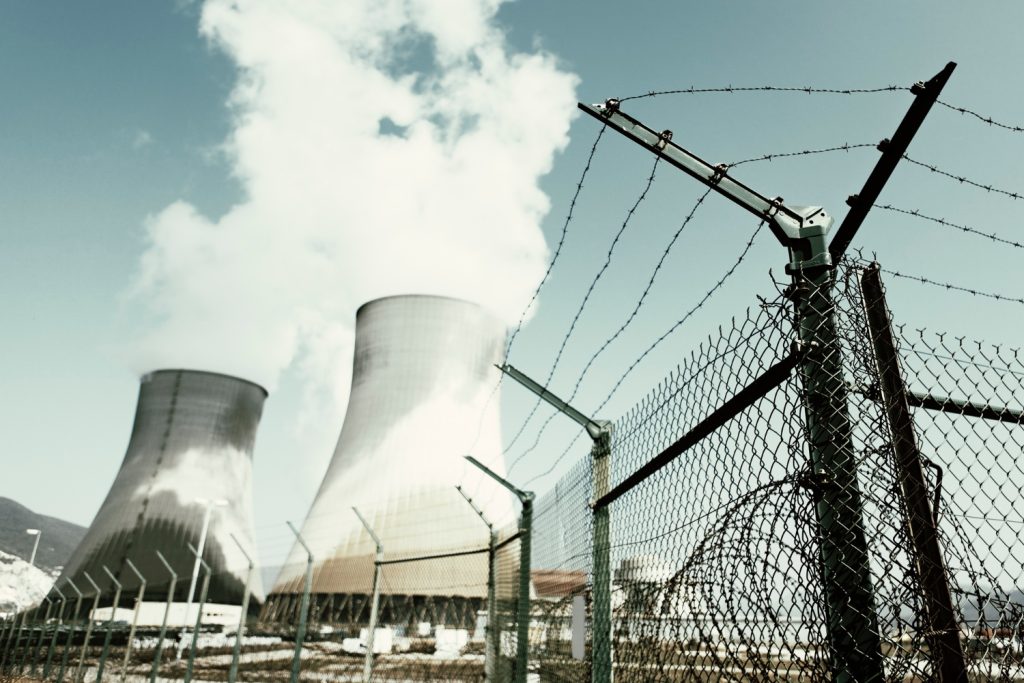
In resource-rich regions such as Africa and Latin America, natural resources continue to play a central role in economic development. However, there is a growing recognition that reliance on commodity exports must be balanced with industrial diversification and environmental responsibility. The integration of sustainable practices, such as circular economy models and green financing, is becoming essential for long-term stability.
d. Regional Integration and South-South Cooperation
Emerging economies are increasingly turning to regional partnerships and South-South cooperation to strengthen economic resilience. Organizations such as BRICS (Brazil, Russia, India, China, South Africa) and ASEAN (Association of Southeast Asian Nations) exemplify this trend. These alliances promote trade, investment, and technological collaboration outside traditional Western frameworks.
BRICS, in particular, has evolved into a powerful bloc representing over 40% of the global population and nearly a quarter of global GDP. The establishment of the New Development Bank (NDB) under BRICS has provided alternative financial mechanisms to support infrastructure and sustainable development projects. Likewise, Africa’s Continental Free Trade Area (AfCFTA), launched in 2021, aims to create the world’s largest free trade zone, integrating 54 nations and boosting intra-African trade.
Such initiatives underscore a broader movement toward economic multipolarity, where influence is distributed more evenly across regions rather than concentrated in the Global North.
Challenges, Risks, and the Path Forward
a. Income Inequality and Social Inclusion
Despite impressive economic growth, emerging economies face persistent inequalities. The benefits of globalization and industrialization have not always been evenly distributed. Urban areas often prosper, while rural populations remain marginalized. Wealth concentration within a small elite can lead to social tensions, political instability, and decreased consumer confidence.
Governments are increasingly adopting inclusive growth models, focusing on social welfare, healthcare, and education. In India, for example, initiatives like Jan Dhan Yojana (financial inclusion) and rural electrification projects aim to reduce inequality and empower disadvantaged groups. Similarly, Latin American countries such as Chile and Brazil have implemented conditional cash transfer programs to support low-income families.
b. Political Instability and Governance Challenges
Governance remains a critical determinant of an emerging economy’s success. Corruption, bureaucratic inefficiencies, and weak institutional frameworks can undermine investor confidence and hinder progress. Nations with strong rule of law, transparent policies, and political stability tend to attract more sustainable investment and innovation.
In contrast, political turmoil—as seen in parts of Africa, the Middle East, and Latin America—can disrupt economic momentum. Effective governance, coupled with accountable leadership, is essential for managing transitions, sustaining reforms, and maintaining global credibility.
c. Debt, Inflation, and External Vulnerabilities
Many emerging economies also face macroeconomic vulnerabilities related to debt and currency fluctuations. External shocks—such as rising global interest rates, energy price volatility, or geopolitical conflicts—can severely impact their balance of payments and foreign reserves.
For instance, countries like Argentina and Turkey have struggled with inflation and debt crises exacerbated by global market instability. Managing debt sustainability while continuing to invest in growth-oriented sectors remains a delicate balancing act. Institutions like the IMF and World Bank continue to play key roles in providing financial support and technical guidance, but greater fiscal discipline and diversification are required for long-term resilience.
d. Climate Change and Environmental Sustainability
Emerging economies are among the most vulnerable to the effects of climate change, including rising sea levels, extreme weather events, and food insecurity. Yet, they also face pressure to balance development needs with environmental responsibility.
The transition to green energy, sustainable agriculture, and climate-resilient infrastructure is both a challenge and an opportunity. Emerging economies are well-positioned to become leaders in renewable energy innovation and sustainable industrial practices, provided they receive adequate technological and financial support from global institutions and private investors.
e. The Road to Global Leadership
For emerging economies to solidify their status as global powerhouses, they must not only sustain economic growth but also translate it into influence. This involves investing in education, research, and innovation; promoting fair trade; strengthening democratic institutions; and fostering cultural diplomacy.
The rise of these economies is not merely an economic story—it is also a narrative of shifting power dynamics, where diverse nations are asserting their place in a multipolar world. Whether through technology, finance, or environmental leadership, emerging economies are shaping the next chapter of globalization.
Conclusion
The ascent of emerging economies marks one of the most significant transformations in modern history. Once considered peripheral to global decision-making, these nations are now commanding influence across every major domain—economic, technological, and geopolitical. Their rise is powered by demographic vitality, technological innovation, trade integration, and a growing middle class that fuels consumption and creativity.
However, the journey toward becoming true global powerhouses is far from complete. Challenges such as inequality, governance issues, debt burdens, and climate vulnerability must be addressed through strategic policy reforms, international cooperation, and inclusive development.
What distinguishes emerging economies today is not merely their rapid growth but their potential to redefine the future of globalization. The world is witnessing a gradual but irreversible shift toward multipolarity—where economic power, innovation, and cultural influence are shared across a broader set of nations. As China, India, Brazil, Indonesia, and others continue to rise, the global order is becoming more balanced, dynamic, and diverse.
Ultimately, the story of emerging economies is not just about economic ascent—it is about empowerment, resilience, and reimagining the global future. The next global powerhouses are already here, and their collective strength will shape the course of the twenty-first century.