

Introduction: Risk-Off Takes Control of Global Markets
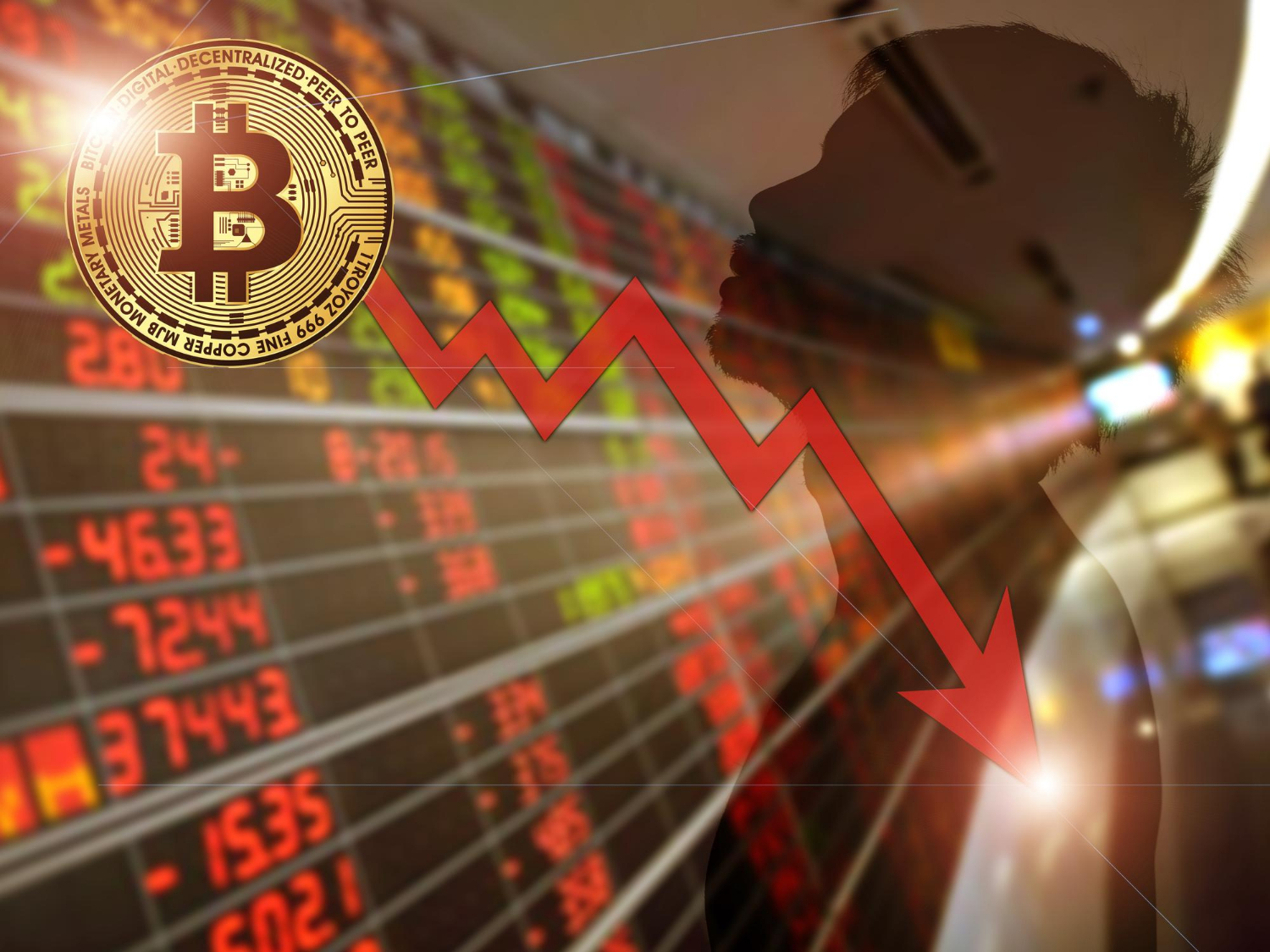
Global financial markets have entered a decisive risk-off phase, sending shockwaves through equities, cryptocurrencies, and other speculative assets. Investors across the world are rapidly repositioning portfolios, prioritizing capital preservation over growth as uncertainty deepens. This shift in sentiment has been swift and unforgiving, dragging major stock indices lower and triggering a sharp sell-off in digital assets. The most striking signal of this change is Bitcoin’s plunge below the psychologically crucial $75,000 level, a move that has rattled even long-term believers in the cryptocurrency narrative.
Risk-off environments are not new, but the current episode stands out due to the combination of macroeconomic stress, monetary policy ambiguity, geopolitical tension, and valuation fatigue across asset classes. After months of optimism driven by expectations of rate cuts, artificial intelligence-driven growth, and resilient consumer spending, markets are now grappling with a sobering reality: growth is slowing, inflation risks persist, and central banks are not yet ready to provide relief.
This article explores why risk-off sentiment has returned so forcefully, how it is impacting stocks and Bitcoin, what is driving investor behavior, and what the broader implications may be for the global financial system. As markets reset expectations, the coming months could define the trajectory of risk assets for years to come.
What Is Driving the Sudden Shift to Risk-Off Sentiment?
Risk-off sentiment refers to periods when investors reduce exposure to volatile or speculative assets and move toward safer alternatives such as cash, government bonds, and defensive equities. The current shift has not been triggered by a single event but rather by a convergence of negative forces that have steadily eroded confidence.
One of the primary drivers is persistent inflation uncertainty. While headline inflation has moderated in many economies, core inflation remains sticky. Services inflation, wage growth, and housing costs continue to pressure central banks, limiting their ability to cut interest rates aggressively. Markets that had priced in rapid monetary easing are now being forced to recalibrate expectations, leading to repricing across equities and cryptocurrencies.
Another critical factor is economic slowdown risk. Recent data has shown signs of weakening consumer demand, slowing manufacturing activity, and softening labor markets. While not yet signaling a deep recession, these indicators suggest that economic momentum is fading. When growth expectations decline, high-valuation assets suffer the most, as future earnings projections come under scrutiny.
Geopolitical tensions have also added fuel to the fire. Ongoing conflicts, trade disputes, and political instability in key regions have increased uncertainty and reduced risk appetite. Investors tend to respond to such environments by cutting exposure to assets perceived as vulnerable to sudden shocks.
Finally, market positioning itself has amplified the move. Over the past year, investors crowded into similar trades: technology stocks, growth-oriented equities, and Bitcoin. When sentiment turned, these crowded positions unwound rapidly, accelerating losses and reinforcing the risk-off cycle.
Stock Markets Under Pressure as Valuations Reset
Global equity markets have borne the brunt of the risk-off shift, with sharp declines across major indices. Growth stocks, particularly in the technology and consumer discretionary sectors, have led the sell-off. These stocks benefited enormously from low interest rates and optimistic growth assumptions, making them especially vulnerable to changing macro conditions.
Valuations are a central issue. Many stocks entered this period trading at elevated multiples relative to historical norms. As interest rates remain higher for longer, the discount rate applied to future earnings increases, reducing the present value of those earnings. This mathematical reality has forced investors to reassess what they are willing to pay for growth.
Earnings uncertainty has compounded the problem. Companies are increasingly warning about margin pressures due to higher input costs, wage inflation, and slowing demand. Even firms that continue to report solid revenues are facing skepticism about sustainability. As forward guidance weakens, markets are responding by demanding a greater margin of safety.
Another notable trend is the rotation toward defensive sectors. Utilities, healthcare, consumer staples, and dividend-paying stocks have held up relatively better, reflecting investors’ desire for stability and predictable cash flows. However, even these sectors have not been immune, highlighting the broad nature of the risk-off move.
International markets have also felt the impact. Emerging market equities, which are particularly sensitive to global liquidity conditions and capital flows, have seen increased outflows. A stronger U.S. dollar, often associated with risk-off sentiment, has further pressured these markets by raising debt servicing costs and reducing investor appetite.
Overall, the equity market decline is not merely a correction driven by technical factors; it reflects a deeper reassessment of growth prospects and risk tolerance in a more uncertain world.
Bitcoin’s Fall Below $75,000: Sentiment Shock in Crypto Markets
Bitcoin’s drop below $75,000 has become one of the most visible symbols of the current risk-off environment. For many investors, Bitcoin had evolved from a fringe asset into a mainstream store-of-value narrative, bolstered by institutional adoption and limited supply dynamics. Its sharp decline has therefore challenged key assumptions about its role in diversified portfolios.
Despite its unique characteristics, Bitcoin has increasingly traded like a high-risk asset, closely correlated with technology stocks and broader market sentiment. When risk appetite evaporates, liquidity-driven assets such as cryptocurrencies tend to suffer disproportionately. The latest sell-off reflects this reality, as investors prioritize cash and short-term safety over long-term narratives.
Leverage has played a significant role in amplifying Bitcoin’s decline. Crypto markets remain highly leveraged compared to traditional finance. As prices fell, forced liquidations accelerated the move, pushing prices lower in a self-reinforcing cycle. This dynamic has repeatedly appeared during downturns and remains a structural vulnerability of the crypto ecosystem.
Another contributing factor is regulatory uncertainty. While progress has been made in some jurisdictions, the overall regulatory landscape remains fragmented. During periods of market stress, uncertainty around regulation becomes more threatening, prompting investors to reduce exposure rather than risk adverse policy developments.
Importantly, Bitcoin’s fall does not necessarily signal the end of the broader digital asset thesis. Long-term holders continue to point to network security, scarcity, and adoption trends. However, in the short to medium term, price action is being dominated by macro forces rather than fundamentals, underscoring Bitcoin’s sensitivity to global liquidity conditions.
Broader Implications for Investors and the Global Economy
The current risk-off episode has implications that extend beyond immediate market losses. It represents a critical test of how financial systems respond to prolonged uncertainty and tighter financial conditions.
For investors, the key lesson is the importance of risk management and diversification. Periods of abundant liquidity can mask underlying vulnerabilities, encouraging excessive risk-taking. When conditions change, those vulnerabilities are exposed quickly. Maintaining balanced portfolios and avoiding excessive leverage becomes essential in navigating such environments.
From a policy perspective, the shift in sentiment complicates decision-making for central banks. While financial market stress can argue for easing, persistent inflation pressures limit flexibility. Policymakers must walk a fine line between maintaining financial stability and preserving credibility in their inflation-fighting mandates.
The risk-off environment also affects corporate behavior. Companies may delay investment, reduce hiring, or conserve cash, potentially slowing economic activity further. If prolonged, this dynamic could become self-reinforcing, turning a slowdown into a more pronounced downturn.
At a global level, the divergence between risk assets and safe havens highlights underlying structural imbalances. High debt levels, demographic pressures, and geopolitical fragmentation suggest that volatility may become a more permanent feature of markets rather than an exception.
Conclusion: Navigating Markets in a Risk-Off World
The renewed wave of risk-off sentiment marks a turning point for global markets. The sell-off in stocks and Bitcoin’s drop below $75,000 are not isolated events but part of a broader recalibration of expectations. Investors are confronting a reality shaped by slower growth, stubborn inflation, and reduced policy support.
While such periods are uncomfortable, they are also necessary. Market corrections force discipline, reprice risk more accurately, and lay the groundwork for healthier long-term growth. For patient investors, volatility can create opportunities, but only for those willing to balance optimism with caution.
As markets move forward, the central question is not whether risk appetite will return, but under what conditions. Clearer inflation trends, stable growth signals, and credible policy guidance will be essential in restoring confidence. Until then, caution is likely to remain the dominant theme.
In this environment, understanding the forces behind risk-off sentiment is crucial. Whether in equities, cryptocurrencies, or other asset classes, the ability to adapt to changing conditions will define success. The current downturn serves as a reminder that markets are cyclical, and resilience, not exuberance, is the most valuable asset of all.