

Introduction
Gold has maintained a special position in the global economy for centuries. It is valued as a precious metal, a store of wealth, a component of jewellery, and an asset that investors often consider during periods of economic uncertainty. Although gold demand comes from many countries, China remains one of the most influential participants in the international gold market. Its large population, established jewellery traditions, growing middle class, investment preferences, and central bank activities all contribute to its importance. Changes in Chinese buying patterns can influence gold prices, affect international trading activity, and shape expectations about the future direction of the precious metals market.
China’s role in gold demand extends beyond the purchases made by individual consumers. The country has a substantial jewellery industry, a developed market for gold investment products, and a central bank that treats gold as one component of its broader reserve management strategy. These different sources of demand operate according to separate motivations. Consumers may purchase gold for weddings, festivals, gifts, or personal savings, while investors may use it to diversify their portfolios or protect purchasing power. The central bank, meanwhile, evaluates gold in the context of financial stability, reserve diversification, and long-term economic security.
The importance of China also reflects the scale of its domestic economy. Even modest changes in the willingness of Chinese households to purchase gold can translate into substantial changes in overall demand because the consumer market is so large. When confidence improves, jewellery purchases and investment activity may strengthen. When economic conditions become difficult, households may postpone discretionary purchases while some investors increase their interest in gold as a defensive asset. Consequently, China’s influence is not determined simply by how much gold its consumers purchase in a particular period. It also depends on the reasons behind their decisions and the broader economic conditions affecting them.
Another important factor is the relationship between Chinese demand and international prices. Gold is traded in a global market, meaning that developments in one major economy can influence expectations elsewhere. Strong buying interest in China can support prices, particularly when it coincides with demand from other major markets or increased purchases by central banks. Conversely, weaker Chinese consumption may reduce one source of market support. However, gold prices are also affected by interest rates, currency movements, geopolitical developments, investment flows, and mining supply.
Understanding why China remains a key source of gold demand therefore requires an examination of its consumer culture, investment behaviour, central bank strategy, and economic circumstances. It is equally important to recognise that Chinese demand is not constant. It changes with household income, consumer confidence, price levels, government policies, and global financial conditions. These interacting forces explain why China continues to occupy a central position in discussions about the gold market and why its future purchasing patterns remain important to investors, jewellery manufacturers, traders, and policymakers.
China’s Jewellery Market and Cultural Relationship with Gold
One of the strongest foundations of Chinese gold demand is the country’s long-standing cultural relationship with the metal. Gold jewellery is associated with prosperity, good fortune, family celebrations, and the preservation of wealth. These associations have helped gold become an established part of important personal and social occasions. Unlike demand driven exclusively by investment returns, jewellery demand is also connected to customs and traditions that can persist even when financial conditions change.
Weddings are an important example. Gold ornaments are frequently included in wedding gifts and family celebrations, symbolising prosperity and hopes for a successful future. Parents and relatives may purchase jewellery for younger family members, while couples may acquire gold pieces as part of their marriage preparations. These purchases can represent both emotional significance and financial value. Because gold jewellery can retain a resale value, families may also view it as an asset that combines cultural meaning with a degree of financial security.
Festivals and other celebrations provide additional opportunities for gold purchases. Lunar New Year, birthdays, anniversaries, and family milestones can encourage consumers to buy gold ornaments or give them as gifts. Jewellery retailers often adapt their collections to these occasions, introducing designs that reflect traditional symbols of prosperity alongside contemporary preferences. This combination of cultural continuity and changing fashion helps sustain consumer interest across different generations.
China’s jewellery market has also evolved as consumer preferences have changed. Younger buyers may prefer lighter pieces, modern designs, and jewellery suitable for everyday use rather than only elaborate ornaments reserved for formal occasions. Manufacturers and retailers have responded by developing products that appeal to customers seeking both visual appeal and a connection to gold’s intrinsic value. Digital marketing, online shopping, and social commerce have further expanded the ways in which consumers discover and purchase gold products.
Nevertheless, jewellery demand is sensitive to affordability. When gold prices rise sharply, the cost of purchasing traditional ornaments can increase substantially. Consumers may respond by selecting smaller pieces, choosing lighter designs, postponing purchases, or buying jewellery with lower gold content. These adjustments do not necessarily mean that interest in gold has disappeared. Instead, they demonstrate how consumers balance cultural preferences against household budgets.
Economic confidence is equally important. If employment prospects weaken or households become concerned about future income, families may reduce spending on nonessential products. Jewellery purchases can be delayed even when consumers continue to value gold. On the other hand, improving income expectations may encourage households to spend more on celebrations and personal possessions.
The relationship between jewellery and investment also makes Chinese demand distinctive. Some buyers choose gold jewellery partly because it provides a tangible asset that can potentially be resold. However, jewellery is not identical to investment-grade bullion. Retail markups, craftsmanship charges, design premiums, and resale deductions can affect the amount recovered when jewellery is sold. Therefore, although jewellery can serve a wealth-preservation function, its financial characteristics differ from those of standard gold bars and coins.
The scale of China’s consumer base means that these decisions have international consequences. When Chinese households increase their purchases, jewellery manufacturers may require more raw gold, contributing to demand across the supply chain. When purchases weaken, retailers may reduce orders and wholesalers may adjust inventories. These changes can influence market sentiment even when other sources of gold demand remain strong.
China’s jewellery sector is therefore more than a retail market. It connects cultural traditions, family financial planning, manufacturing activity, and international commodity trading. Its continued importance demonstrates that gold demand cannot be understood solely through investment statistics or central bank purchases. Consumer behaviour remains an essential part of the broader picture.
Investment Demand, Household Wealth, and Economic Uncertainty
Beyond jewellery, investment demand is another major reason China remains important to the gold market. Chinese households and investors have access to several ways of gaining exposure to gold, including physical bars, coins, exchange-traded products, and other financial instruments. Each option serves a different purpose, but all can contribute to the overall level of investment interest in the metal.
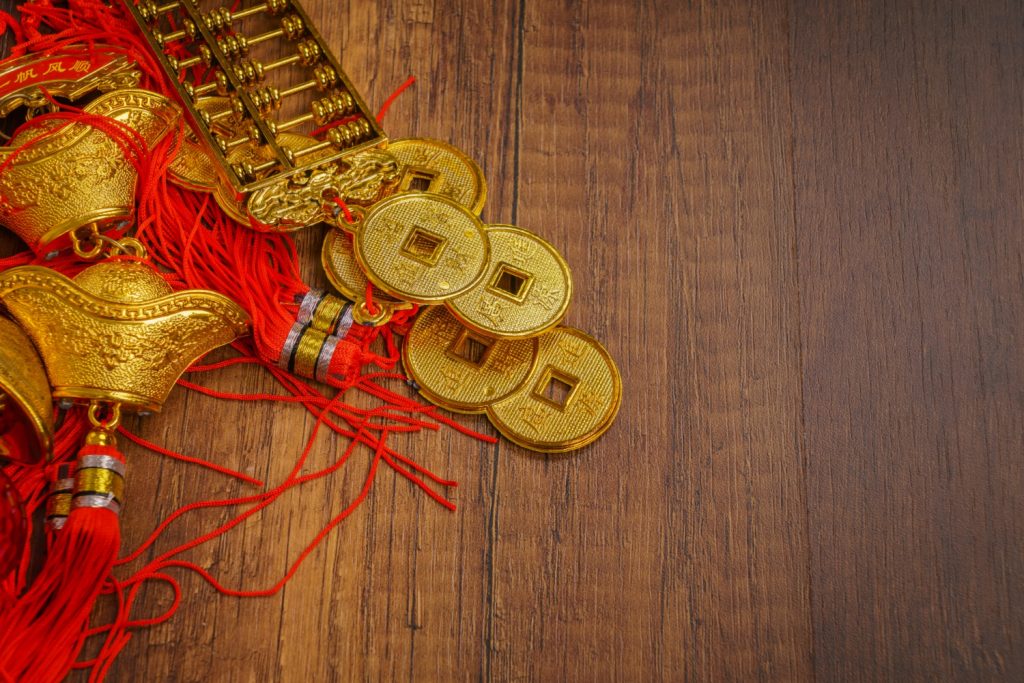
Physical gold has particular appeal because it is tangible and does not depend on the financial performance of a company or the repayment capacity of a borrower. Investors who purchase bullion own a physical asset rather than a claim on future business earnings. This characteristic can become attractive during periods when confidence in financial markets weakens or uncertainty about the economic outlook increases.
Gold is often considered a potential store of value over long periods. However, its purchasing power is not guaranteed, and its market price can experience substantial fluctuations. Investors may purchase gold in anticipation of inflation, currency weakness, financial instability, or geopolitical tension, but these conditions do not always lead to immediate price increases. The metal can also underperform when competing investments become more attractive.
Interest rates are especially important. Gold does not pay interest or dividends. When deposit rates and bond yields rise, investors may find income-generating assets more appealing relative to gold. When interest rates decline, the opportunity cost of holding gold may fall, making the metal comparatively more attractive. These relationships are not automatic, because expectations about inflation, exchange rates, and future monetary policy also influence investment decisions.
Economic uncertainty within China can affect household demand in several ways. If property-market difficulties, slower economic growth, or concerns about employment weaken confidence in conventional investments, some households may seek alternative ways to diversify their savings. Gold can become one of the assets considered during such periods. Its appeal may be particularly strong among investors who prefer holdings that are not directly tied to property values or the performance of individual businesses.
However, it would be misleading to assume that every period of economic weakness automatically increases Chinese gold demand. Uncertainty can also reduce household willingness to spend. Consumers facing lower income growth or greater financial pressure may prefer to retain cash rather than purchase bullion. Consequently, the direction of gold demand depends on the balance between the desire for financial protection and the ability to commit money to new investments.
The development of China’s financial markets has created additional channels for investment. Gold-backed exchange-traded funds, for example, can allow investors to obtain exposure to gold prices without personally storing bullion. Such products may appeal to investors who want easier trading, portfolio diversification, and a relatively convenient way to respond to changing market conditions. Changes in fund holdings can therefore provide useful information about investment sentiment, although fund flows represent only one part of total Chinese gold demand.
Price expectations also matter. When gold prices rise rapidly, investors may interpret the movement as evidence of continued strength and increase their purchases. This can contribute to additional upward pressure, especially when many investors respond similarly. Yet high prices can also encourage profit-taking or discourage new buyers who believe the market has become too expensive. The same price movement can therefore stimulate buying among some participants while reducing demand among others.
Currency considerations are another important element. Gold is internationally priced primarily in US dollars, but Chinese consumers generally evaluate purchases in renminbi. Changes in the exchange rate can influence the domestic cost of gold even when the international price remains unchanged. A weaker renminbi can make internationally priced gold more expensive in local currency terms, potentially affecting affordability. A stronger currency can have the opposite effect, although local premiums and market conditions may alter the final retail price.
Portfolio diversification provides a further explanation for investment interest. Investors who hold a mixture of equities, bonds, cash, property, and gold may seek to reduce their dependence on any single asset class. Gold sometimes behaves differently from stocks or bonds, particularly during periods of market stress. However, its relationships with other assets vary over time, and diversification does not eliminate the possibility of losses.
Chinese investment demand is therefore influenced by a combination of financial incentives, economic confidence, currency movements, market expectations, and personal attitudes toward risk. These factors can change quickly, making investment demand more variable than some culturally established forms of consumption. Understanding this distinction is essential when evaluating China’s contribution to global gold-market developments.
Central Bank Purchases, Global Market Influence, and Future Challenges
China’s official gold holdings represent another important dimension of its position in the international market. The People’s Bank of China manages the country’s official reserves, which include foreign currencies and gold. Central banks generally hold gold for reasons that differ from those of individual consumers. These include diversification, long-term reserve management, confidence in an internationally recognised asset, and the desire to reduce dependence on a narrow range of financial instruments.
Gold has several characteristics that make it relevant to reserve management. It does not represent a liability issued by another government or commercial institution, and it is traded in a broad international market. It can also be stored over long periods without the credit risk associated with many financial claims. Nevertheless, gold does not generate interest income, and its market value can fluctuate. Central banks must therefore consider its advantages alongside liquidity requirements, portfolio objectives, and the costs of holding physical reserves.
When China’s central bank adds to its gold reserves, the purchases can attract considerable attention from financial markets. Official buying may be interpreted as evidence that policymakers want to diversify reserve assets or strengthen the role of gold within the country’s long-term financial strategy. If several central banks increase their holdings at the same time, their combined activity can provide an additional source of support for global demand.
However, the market impact of Chinese official purchases should not be overstated. Central bank transactions are only one component of worldwide gold demand. Jewellery consumption, bullion investment, exchange-traded fund activity, industrial uses, recycling, and mine production also influence market conditions. Furthermore, official reserve decisions may be made gradually and for strategic reasons rather than in response to short-term price movements.
China’s domestic gold market also benefits from established trading infrastructure. The Shanghai Gold Exchange plays an important role in the country’s gold market, providing a platform for trading and supporting the connection between domestic participants and the wider precious metals industry. Domestic prices can differ from international benchmarks because of local demand, import arrangements, taxes, currency movements, and supply conditions. A sustained premium in the Chinese market can indicate strong local buying interest, although it does not necessarily translate into an equivalent increase in global demand.
China’s position as a major gold consumer is also linked to its wider industrial and economic structure. The country has extensive jewellery manufacturing capabilities, a large retail network, and financial institutions that facilitate access to gold-related products. These elements connect domestic consumption with international mining, refining, transportation, and trading activities. As a result, shifts in Chinese demand can affect not only bullion prices but also inventory decisions and business expectations throughout the gold supply chain.
Despite these strengths, the Chinese gold market faces several challenges. High prices can place pressure on household budgets and reduce jewellery affordability. Slower income growth may encourage consumers to delay purchases, while uncertainty in the broader economy can weaken discretionary spending. These forces may offset the demand generated by investors seeking protection against financial uncertainty.
Demographic changes and evolving consumption habits may also influence future demand. Younger consumers increasingly encounter a wider range of investment products and spending choices. Some may prefer financial assets or experiences over traditional jewellery purchases, while others may use digital platforms to access gold investments. The long-term effect will depend on income growth, financial education, cultural preferences, and the availability of convenient products.
Government policy and market regulation can shape the way gold enters and moves through China’s domestic economy. Import arrangements, financial-market rules, and measures affecting consumer spending may influence the cost and accessibility of gold. Changes in international trade relationships can also affect market expectations, particularly when they influence currency movements or perceptions of geopolitical risk.
Global developments remain equally important. If major economies maintain high interest rates, gold may face competition from income-producing assets. If investors anticipate lower rates, rising inflation, or heightened geopolitical instability, interest in gold may strengthen. Movements in the US dollar can influence the international price, while changes in global investment sentiment may reinforce or offset domestic Chinese demand.
Another important consideration is the relationship between demand and supply. Strong buying interest cannot be evaluated in isolation from mine production, recycled gold, and the behaviour of other major consuming countries. Higher prices can encourage recycling because households and businesses may become more willing to sell existing gold holdings. Additional recycled supply can partially offset new demand, limiting the price impact of increased purchases.
The future of Chinese gold demand will consequently depend on several interacting forces rather than a single predictable trend. Continued reserve diversification, household interest in tangible assets, and established jewellery traditions could sustain China’s importance. At the same time, affordability constraints, changing investment opportunities, and economic uncertainty may produce periods of weaker consumption.
For market participants, the most useful approach is to monitor multiple indicators together. Jewellery sales can reveal changes in consumer confidence, physical bullion demand can show household investment preferences, exchange-traded fund flows can reflect financial-market sentiment, and official reserve disclosures can provide insight into central bank activity. Domestic price premiums and currency movements offer further clues about local market conditions.
Taken together, these indicators help explain not only how much gold China purchases but also why its demand changes. This distinction matters because demand driven by long-term reserve management may behave differently from speculative investment or seasonal jewellery buying. Recognising these differences makes it easier to interpret market movements without assuming that every increase or decline has the same underlying cause.
Conclusion
China remains a key source of gold demand because its influence comes from several interconnected parts of the economy. A large consumer population, strong cultural traditions, an established jewellery industry, growing access to investment products, and the central bank’s reserve-management decisions all contribute to the country’s importance. Together, these factors make China a major participant in the global gold market and an important influence on expectations about future demand.
The jewellery sector provides a durable foundation for consumption. Gold continues to play a meaningful role in weddings, festivals, family gifts, and personal savings. Although rising prices can reduce affordability, cultural associations and the ability to retain some resale value help sustain consumer interest. Changes in jewellery design and purchasing channels also allow the market to adapt to new generations of buyers.
Investment demand adds another layer of complexity. Households and financial investors may turn to gold when they seek diversification, protection against uncertainty, or exposure to changes in precious metals prices. Their decisions depend on interest rates, currency movements, inflation expectations, economic confidence, and the performance of alternative investments. Because these factors change over time, Chinese investment demand can fluctuate considerably.
Official purchases provide an additional source of market interest. China’s central bank can use gold as part of its broader reserve strategy, potentially supporting demand when it increases its holdings. Nevertheless, central bank activity must be assessed alongside consumer purchases, investment flows, recycling, and global production to understand its actual influence on prices.
Looking ahead, China’s importance is likely to remain closely connected to the country’s economic development and the preferences of its households and institutions. Higher incomes and continued interest in portfolio diversification could support demand, while expensive gold, financial pressures, and changing consumer behaviour could limit it. Global interest rates, exchange rates, geopolitical developments, and activity in other major markets will also affect the outcome.
Ultimately, China’s role in the gold market is not defined by one type of buyer or one economic trend. It emerges from the interaction of tradition, wealth management, investment behaviour, and official reserve policy. This combination explains why developments in China receive substantial attention from gold traders, investors, manufacturers, and policymakers around the world. Understanding these underlying drivers is essential for assessing the direction of gold demand and recognising China’s continuing significance in the international precious metals market.