


Introduction
The American banking industry has undergone remarkable changes over the past decade, driven by technological innovation and changing consumer expectations. One of the most noticeable developments is the widespread adoption of contactless ATM cards. What began as a convenient alternative for retail purchases has now become a standard feature on debit and ATM cards issued by major U.S. banks. Today, millions of Americans can simply tap their cards at compatible ATMs instead of inserting them into a card reader.
This transition represents more than a technological upgrade. It reflects a broader transformation in how consumers interact with financial institutions. Modern banking customers value speed, security, convenience, and digital integration. Contactless ATM cards meet these expectations by reducing transaction times while offering advanced security protections that traditional magnetic stripe cards cannot provide.
Banks have also embraced contactless technology because it supports long-term modernization goals. Traditional card readers experience wear and tear from repeated use, often requiring maintenance and replacement. Contactless systems reduce physical contact with ATM hardware, lowering maintenance costs and improving machine reliability. At the same time, financial institutions can strengthen fraud prevention by combining contactless cards with encrypted communication and advanced authentication systems.
The growth of digital wallets has also influenced this evolution. Consumers who have become accustomed to tapping their smartphones or smartwatches for purchases naturally expect similar convenience when accessing cash. As ATM networks continue expanding contactless capabilities, banking becomes increasingly seamless across multiple payment channels.
In 2026, contactless ATM cards are no longer viewed as premium banking features available only to select customers. Instead, they are becoming the default standard for newly issued debit cards throughout the United States. Financial institutions are gradually replacing older cards during renewals, ensuring that contactless functionality reaches nearly every customer over time. This widespread adoption signals a new era where secure, efficient, and frictionless banking experiences define everyday financial transactions.
Why Contactless ATM Cards Are Becoming the Preferred Choice
Consumer behavior has shifted dramatically toward fast and effortless financial transactions. Long checkout lines, busy schedules, and growing dependence on digital services have increased demand for banking solutions that save time without sacrificing security. Contactless ATM cards satisfy these expectations by allowing customers to complete transactions with a simple tap.
Unlike traditional ATM cards that require insertion into a reader, contactless cards communicate through short-range wireless technology. The customer taps the card near the designated reader, allowing the ATM to recognize the account securely before requesting PIN verification. The overall process feels quicker and more intuitive, especially for people who use ATMs frequently.
Speed is one of the strongest advantages. Even a small reduction in transaction time becomes meaningful when multiplied across thousands of ATM users each day. Banks benefit from shorter queues during busy periods, while customers appreciate faster access to their cash.
Ease of use also appeals to a broad range of customers. Elderly individuals, people with physical disabilities, and those unfamiliar with older card mechanisms often find contactless interactions more comfortable. There is less concern about inserting the card correctly or retrieving it before leaving the ATM.
The COVID-19 pandemic also accelerated consumer acceptance of touch-free technology. Many people became more conscious of minimizing physical contact with frequently used public surfaces. Although health concerns have evolved, the preference for contactless interactions remains strong because users have experienced the convenience firsthand.
Banks are simultaneously upgrading ATM infrastructure across the country. As older machines reach the end of their service life, many are replaced with models designed to support both traditional and contactless transactions. This gradual modernization ensures compatibility with both existing customers and future banking technologies.
Financial institutions also recognize that younger generations expect technology-driven banking experiences. Customers who regularly use mobile banking applications, digital wallets, and online financial services naturally expect their physical banking interactions to be equally modern. Contactless ATM cards help banks remain competitive by aligning their services with evolving consumer preferences.
Additionally, merchants have already normalized tap-to-pay transactions across retail stores, restaurants, grocery chains, and transportation systems. Extending this familiar experience to ATMs creates consistency throughout the banking ecosystem, reducing learning curves for customers while reinforcing confidence in contactless technology.
Security Innovations Behind Contactless ATM Technology
Security remains the highest priority for financial institutions, particularly as payment technologies continue evolving. Contrary to early misconceptions, contactless ATM cards often provide stronger protection than older magnetic stripe cards because they rely on sophisticated encryption and authentication methods.
Traditional magnetic stripe cards store static information that can potentially be copied using skimming devices. Criminals have exploited these vulnerabilities for years by attaching hidden readers to ATM machines. Contactless cards significantly reduce this risk because sensitive card information is not transmitted in the same way during every transaction.
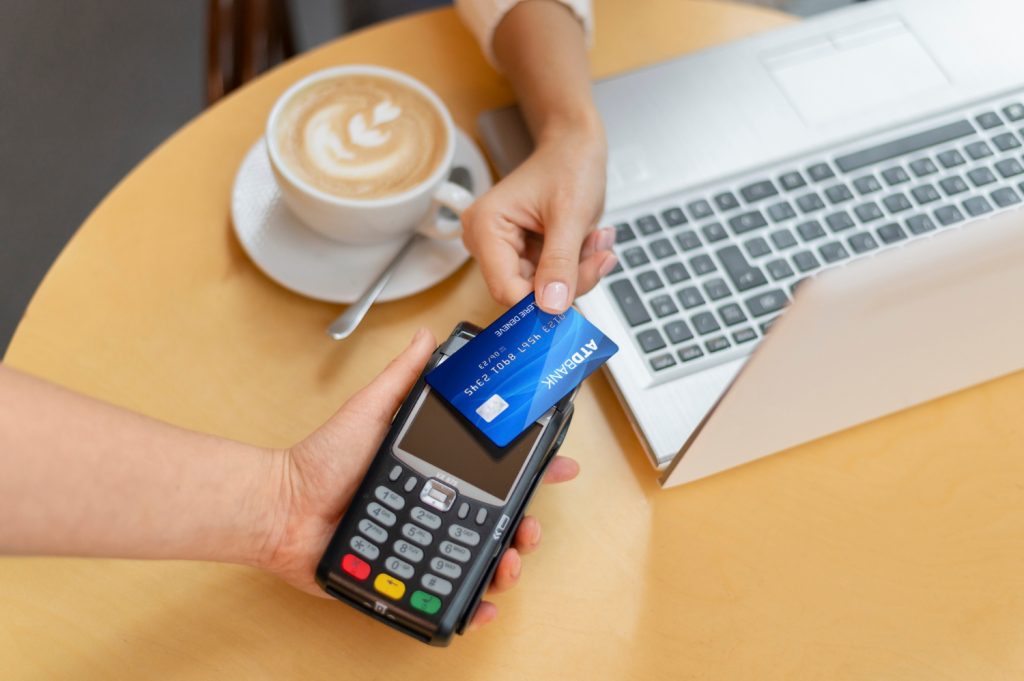
Instead, modern contactless systems generate encrypted communication between the card and the ATM. Many transactions rely on unique security codes that cannot simply be reused for fraudulent activity. Even if someone intercepts transmitted information, reproducing a valid transaction becomes substantially more difficult.
Most contactless ATM withdrawals still require PIN verification after the card is recognized. This additional authentication layer ensures that possession of the physical card alone is generally insufficient for withdrawing cash. Combined with fraud monitoring systems operated by banks, unusual activity can often be detected quickly.
Banks have also invested heavily in artificial intelligence and machine learning technologies that analyze customer behavior in real time. If an ATM withdrawal appears unusual—such as occurring in an unfamiliar location or involving unexpected withdrawal amounts—the system may temporarily block the transaction or request additional verification.
Modern ATMs themselves include enhanced security hardware. Anti-skimming devices, tamper detection systems, encrypted communication channels, and surveillance technologies work together to reduce fraud opportunities. Contactless readers eliminate some physical vulnerabilities associated with traditional card insertion slots, making certain types of attacks less effective.
Consumers also contribute to transaction security through responsible banking practices. Protecting the PIN, monitoring account activity, enabling transaction alerts, and reporting suspicious behavior promptly remain essential regardless of payment technology.
Banks increasingly provide instant notifications whenever ATM withdrawals occur. Customers receive real-time alerts through mobile banking applications, allowing unauthorized activity to be identified almost immediately. Faster reporting enables quicker card suspension and fraud investigation.
As cyber threats continue evolving, financial institutions regularly update security protocols without requiring customers to replace entire banking systems. Software improvements, encryption enhancements, and fraud detection algorithms can strengthen protection while maintaining the convenience of contactless banking.
The combination of encrypted communication, PIN authentication, real-time monitoring, behavioral analysis, and improved ATM hardware makes contactless ATM transactions one of the most secure methods of accessing cash available today.
How Contactless ATM Cards Are Transforming the Future of Banking
The growing adoption of contactless ATM cards reflects a much larger transformation occurring throughout the financial services industry. Banks are no longer focused solely on providing traditional financial products. Instead, they aim to create integrated digital experiences that combine physical banking, mobile applications, online services, and emerging technologies.
Contactless ATM cards fit naturally within this connected banking environment. Customers increasingly expect to begin a transaction on their smartphone, continue it at an ATM, and complete account management through online banking without unnecessary interruptions.
Cardless ATM withdrawals represent one example of this integration. Some financial institutions already allow customers to initiate withdrawals using mobile banking applications before arriving at the ATM. Contactless cards complement these innovations by providing multiple secure methods for accessing funds.
Artificial intelligence continues enhancing ATM capabilities as well. Future machines may personalize services based on customer preferences, recommend commonly used transactions, or simplify navigation through intelligent user interfaces. Contactless authentication can accelerate these personalized experiences by identifying customers more efficiently.
Banks are also exploring biometric authentication technologies, including fingerprint recognition, facial verification, and palm scanning. While contactless cards remain central to current banking, future ATM systems may combine multiple authentication methods for even greater convenience and security.
Another important trend involves sustainability. Traditional plastic cards eventually require replacement due to wear from repeated insertion into payment terminals and ATM readers. Contactless usage may reduce physical damage, potentially extending card life and decreasing replacement frequency. Financial institutions are also experimenting with recycled plastics and environmentally friendly card materials as part of broader sustainability initiatives.
Financial inclusion also benefits from simplified technology. Customers with limited technical knowledge often appreciate intuitive interfaces that require fewer mechanical steps. Faster, easier ATM interactions can improve banking accessibility across diverse populations.
The banking industry additionally benefits from operational efficiencies. Reduced hardware maintenance, lower fraud losses, improved transaction speeds, and enhanced customer satisfaction contribute to long-term cost savings. These efficiencies allow banks to invest further in digital innovation and customer service improvements.
Competition among banks continues driving rapid adoption. Institutions that fail to modernize risk appearing outdated compared to competitors offering seamless digital experiences. Consequently, contactless ATM functionality is increasingly viewed not as a luxury feature but as a basic customer expectation.
As financial technology continues advancing, contactless ATM cards will likely serve as one component of a broader ecosystem that includes wearable payments, biometric authentication, digital identity verification, and highly personalized banking services. The transition currently underway represents an important milestone in the continuing modernization of American banking.
Conclusion
Contactless ATM cards have rapidly evolved from an innovative convenience into a defining feature of modern U.S. banking. Their widespread adoption reflects changing customer expectations, technological progress, and the financial industry’s commitment to delivering faster, safer, and more efficient banking experiences. What was once considered an optional upgrade is now becoming the standard for newly issued debit and ATM cards across the country.
The advantages are clear. Contactless transactions reduce waiting times, simplify ATM usage, enhance convenience, and strengthen security through encrypted communication and modern authentication methods. Banks also benefit from lower maintenance requirements, improved fraud prevention, and greater customer satisfaction, creating value for both financial institutions and consumers.
The continued modernization of ATM networks demonstrates that banking is entering a new phase where physical and digital services work together seamlessly. Contactless cards integrate naturally with mobile banking applications, digital wallets, real-time transaction monitoring, and future authentication technologies. This interconnected approach allows customers to move effortlessly between online and in-person banking while maintaining high security standards.
Although traditional ATM cards will remain usable during the transition period, the overall direction of the industry is becoming increasingly clear. Contactless technology is establishing itself as the preferred method for everyday banking because it balances convenience with strong security protections. As more financial institutions upgrade their infrastructure and replace legacy cards, the number of contactless users will continue growing steadily.
Looking ahead, contactless ATM cards are likely to become the foundation for even more advanced banking innovations. Future developments in artificial intelligence, biometric verification, digital identity management, and personalized financial services will build upon the secure infrastructure already being established today. Customers can therefore expect banking experiences that become faster, smarter, and more intuitive over time.
Ultimately, the rise of contactless ATM cards represents more than a change in payment technology. It symbolizes the banking industry’s broader commitment to innovation, customer convenience, operational efficiency, and stronger financial security. As these technologies continue expanding across the United States, contactless banking is set to remain a central element of the nation’s evolving financial landscape for years to come.