

Introduction
The Strait of Hormuz has become one of the most important geographical points in the global oil trade because it connects major petroleum-producing countries in the Persian Gulf with international energy markets. Although the strait is relatively narrow compared with the vast oceans used for international shipping, its influence on energy prices, transportation costs, supply security, and commercial decisions is enormous. Every day, oil tankers, liquefied natural gas carriers, and other commercial vessels depend on this maritime passage to transport energy supplies from the Middle East to consumers across Asia, Europe, and other regions.
For many years, discussions about the oil industry concentrated primarily on production volumes, demand forecasts, crude oil prices, and the decisions of major exporting countries. However, the movement of oil from production facilities to international buyers has become equally important. Oil cannot reach a refinery simply because it has been extracted from the ground. It must be transported through ports, shipping channels, storage terminals, and international maritime routes. Each stage introduces costs, operational requirements, and potential risks. The Strait of Hormuz sits at the intersection of these logistical challenges.
Its importance becomes particularly visible when geopolitical tensions increase, shipping insurance becomes more expensive, or traders begin to question whether vessels can pass through the region without interruption. Even when oil production remains unchanged, uncertainty surrounding transportation can affect the price at which crude oil is bought and sold. Buyers may seek alternative suppliers, refiners may increase their inventories, and shipping companies may revise their schedules or commercial terms.
Consequently, logistics has evolved from a supporting function into a central consideration in oil trading. Traders must assess not only the quality and price of crude oil but also its origin, destination, expected arrival time, transportation availability, insurance requirements, and the possibility of delays. A shipment that appears profitable on paper may become unattractive if freight rates rise sharply or delivery becomes uncertain.
This changing environment highlights a broader transformation in international energy commerce. The ability to move petroleum reliably is becoming just as important as the ability to produce it competitively. The Strait of Hormuz illustrates how geography, maritime infrastructure, financial markets, and political developments combine to determine the real cost and availability of energy. Understanding this relationship is essential for oil traders, shipping operators, refiners, energy policymakers, and countries that rely heavily on imported petroleum.
The Strategic Importance of the Strait and Its Influence on Oil Markets
The geographical position of the Strait of Hormuz explains why it has such a powerful influence on international energy commerce. Located between Iran and Oman, this waterway links the Persian Gulf with the Gulf of Oman and the Arabian Sea. Oil-producing countries situated inside the Persian Gulf depend heavily on this route to reach buyers in overseas markets. The passage is particularly significant for Saudi Arabia, Iraq, Kuwait, the United Arab Emirates, Qatar, and Iran, although their individual export arrangements and reliance on the strait differ.
The scale of the trade moving through this corridor is substantial. According to the U.S. Energy Information Administration, approximately 20.9 million barrels of petroleum and related liquids passed through the strait daily during the first half of 2025. This represented roughly one-fifth of worldwide petroleum liquids consumption and approximately one-quarter of international seaborne oil trade. These figures demonstrate that a disruption in this relatively small geographical area can have consequences far beyond the Middle East.
The destination of these shipments adds another dimension to the strait’s importance. Asian economies account for a large proportion of the oil transported through Hormuz. China, India, Japan, and South Korea are particularly important destinations because their industrial sectors, transportation systems, electricity generation, and refining industries require dependable energy supplies. A delay in deliveries can affect refinery schedules, increase the cost of imported crude, and force buyers to compete more aggressively for available cargoes.
For oil traders, the distinction between physical supply and accessible supply is crucial. Oil may be available at an export terminal, yet a buyer cannot immediately use it if a tanker cannot load the cargo, navigate the required route, or deliver it within the agreed period. This creates a difference between the amount of oil theoretically available and the amount that can realistically reach the market on time.
Such conditions can influence benchmark prices as well as regional crude differentials. Benchmark prices provide a broad indication of market value, but individual cargoes are also affected by location, grade, delivery timing, and transportation expenses. When shipping through Hormuz becomes more difficult, buyers may be willing to pay more for crude located outside the affected region. At the same time, some Gulf-origin grades may become less attractive if the cost or uncertainty of delivery rises faster than their underlying market value.
The resulting price movements do not necessarily reflect a sudden shortage of crude in the ground. Instead, they may reflect the increased difficulty of moving existing supplies to the places where they are needed. This distinction is important because logistical disruptions can create regional shortages even when global production has not fallen by the same amount.
The strait also matters because oil and natural gas are interconnected in the wider energy system. Qatar and the UAE use this corridor to export liquefied natural gas, while petroleum product shipments supply international fuel markets. The International Energy Agency estimates that approximately one-fifth of global LNG trade depends on the passage. A disruption can therefore affect electricity producers, industrial gas consumers, and buyers of fuels beyond the crude oil market.
These interconnected flows make the Strait of Hormuz more than a shipping location. It is a strategic link between energy production, international transportation, and consumption. Its operational condition can influence how traders value cargoes, how refiners arrange purchases, and how governments assess the security of their energy supplies.
Another important consideration is the limited capacity of alternative export infrastructure. Saudi Arabia and the UAE have pipelines that can move some oil toward terminals outside the Persian Gulf, allowing certain exports to bypass Hormuz. However, these facilities cannot automatically replace every barrel that would otherwise pass through the strait. Their available capacity depends on existing commitments, maintenance requirements, operating conditions, and the location of production.
As a result, traders cannot assume that a disruption will be solved simply by redirecting every shipment. Alternative routes require planning, sufficient infrastructure, available vessels, and suitable receiving facilities. The gap between the volume at risk and the volume that can be redirected is one reason why uncertainty surrounding Hormuz can affect oil prices even before a complete interruption occurs.
Shipping Costs, Insurance, and the Transformation of Trading Strategies
The growing importance of logistics in oil trading becomes particularly clear when shipping expenses and marine insurance are considered together. A crude oil transaction involves more than agreeing on a purchase price and arranging payment. Traders must secure an appropriate vessel, negotiate freight terms, coordinate loading and unloading, comply with port requirements, and arrange insurance against relevant maritime risks. If any of these elements becomes more expensive or difficult to obtain, the economics of the entire transaction can change.
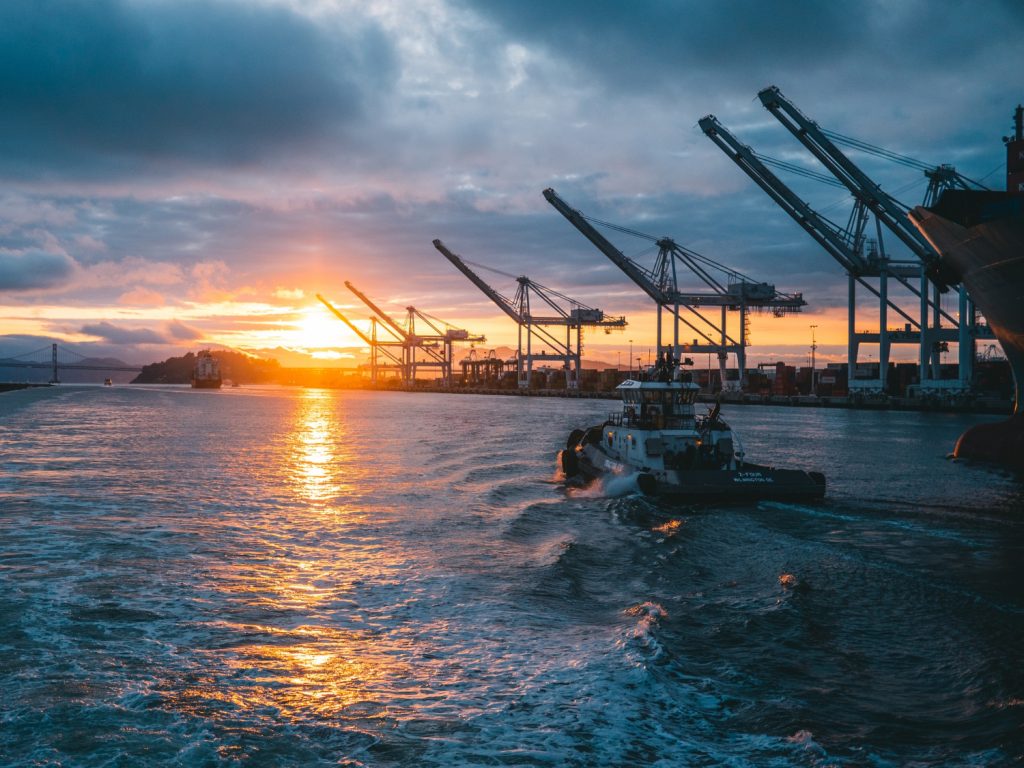
Tanker availability is one of the first factors to influence trading decisions during periods of uncertainty. Oil tankers operate on schedules that connect loading terminals, discharge ports, maintenance periods, and subsequent cargo commitments. When a vessel is delayed in a congested or high-risk area, it may miss its next loading window. The delay can affect several shipments in succession because the same vessel is no longer available where and when it was expected.
This creates a ripple effect across the global tanker market. Charterers compete for ships that can satisfy their delivery requirements, and owners may demand higher freight rates to compensate for additional operating expenses and uncertainty. Even routes far from the Persian Gulf can become more expensive if vessels are diverted toward alternative suppliers or remain occupied for longer periods.
The economics of a tanker voyage also depend on distance and time. A longer route consumes additional fuel, requires more days at sea, and reduces the number of voyages a vessel can complete over a given period. In some cases, an alternative route may be technically feasible but commercially unattractive because the extra transportation cost eliminates the expected trading margin.
Marine insurance introduces another layer of uncertainty. Ships operating in areas considered dangerous may face additional premiums, revised policy conditions, or restrictions on coverage. Shipowners and charterers must determine who bears these costs under their contracts. If insurance becomes difficult to arrange, a vessel may remain unavailable even when its physical route is open.
Recent reporting illustrates how rapidly these expenses can change. In October 2026, Reuters reported substantial increases in oil transportation costs amid geopolitical tensions and disruptions affecting major maritime routes. A separate report described a decline in supertanker freight rates from recent peaks, demonstrating that shipping markets can reverse direction as demand, risk perceptions, and vessel availability change.
These developments highlight an important principle: high freight rates do not always mean that shipping companies will continue earning unusually high returns. A tanker owner must also consider fuel, operating costs, financing, insurance, waiting time, and the possibility that a vessel will struggle to secure its next cargo. Meanwhile, oil traders must evaluate freight quotations against the expected value of the shipment rather than assuming that transportation costs will remain stable.
For trading companies, the response increasingly involves more sophisticated voyage calculations. A trader evaluating a cargo must estimate its delivered cost, including the purchase price, transportation, insurance, port charges, financing, losses during handling where applicable, and other contractual expenses. The expected selling price must then be compared with the total cost of delivering the product.
A simple illustration shows why this matters. Suppose a trader expects to earn a margin of $3 per barrel on a cargo of one million barrels. The expected gross trading margin would be $3 million before other expenses. If additional freight and insurance costs rise by a combined $2 per barrel, the margin falls to $1 million, assuming the sale price and other costs remain unchanged. A further increase of $1 per barrel would eliminate that gross margin entirely.
This example is illustrative rather than a quotation from an actual transaction, but it demonstrates how logistics can determine whether a trade remains commercially viable.
Trading strategies are also changing through the use of more flexible delivery arrangements. Buyers may diversify their suppliers, negotiate alternative loading windows, maintain access to additional vessels, or purchase crude from regions that offer more dependable transportation. Some companies may accept a higher purchase price from a distant supplier if that option offers greater certainty over arrival dates.
Others may adjust the timing of purchases. When transportation risk rises, a refiner might secure cargoes earlier than usual, while a trader could reduce exposure to deliveries scheduled during a period of heightened uncertainty. These decisions can increase near-term demand for available tankers and storage capacity, reinforcing the very cost pressures companies are attempting to manage.
Contract structure is equally important. Agreements that clearly define responsibility for freight, insurance, delays, and changes in loading arrangements can reduce disputes when unexpected events occur. Flexible clauses may help counterparties respond to changing conditions, although they cannot remove the underlying physical risks.
The broader lesson is that competitive oil trading increasingly depends on the ability to combine price analysis with transportation planning. A company that understands crude benchmarks but underestimates shipping risk may make poor purchasing decisions. Conversely, a trader with reliable logistics information can identify opportunities that competitors overlook, protect profit margins, and make more informed decisions about where and when to source energy.
Supply Chain Resilience, Alternative Routes, and the Role of Technology
The growing importance of the Strait of Hormuz has encouraged energy companies and governments to reconsider how their supply chains are designed. In traditional oil trading, efficiency often meant securing the lowest purchase price, minimizing transportation expenses, and delivering cargoes according to established schedules. Under uncertain maritime conditions, however, the cheapest supply chain is not necessarily the most reliable one. Companies must now balance cost efficiency against resilience, flexibility, and the ability to recover quickly from unexpected disruptions.
One approach is to diversify the geographical sources of crude oil. Refineries that rely heavily on Gulf-origin supplies may consider purchasing additional volumes from producers in the Americas, West Africa, or other regions when commercially suitable. Such diversification can reduce dependence on a single export corridor, although it does not eliminate exposure to global tanker shortages, international price movements, or disruptions elsewhere in the shipping network.
Changing suppliers also requires careful technical and commercial planning. Refineries are designed to process particular combinations of crude oil characteristics, including density, sulfur content, and the proportion of lighter and heavier components. A replacement grade may require adjustments to refinery operations or blending arrangements. Its purchase price may be attractive, but the final decision must account for processing performance, product yields, transportation expenses, and delivery reliability.
Alternative export infrastructure provides another form of protection. Saudi Arabia’s East-West Pipeline carries crude toward Red Sea export facilities, while the UAE has infrastructure connecting inland production areas with the Gulf of Oman coast. These routes can reduce dependence on Hormuz for some shipments. Nevertheless, pipeline capacity, terminal availability, and the amount of oil that can be redirected at short notice remain important limitations.
The existence of a bypass route should therefore not be confused with complete independence from the strait. Pipelines may already be operating at substantial capacity, and redirecting exports can require changes to storage, pumping schedules, terminal operations, and vessel nominations. Moreover, alternative ports may face congestion if numerous exporters attempt to use them simultaneously.
Storage is another essential part of supply-chain resilience. Commercial inventories allow refiners and trading companies to maintain operations when shipments arrive late. Governments can also use strategic petroleum reserves to respond to severe supply disruptions, depending on national policy and the circumstances of the emergency. However, maintaining inventories involves financing, storage fees, and the opportunity cost of holding capital in physical commodities rather than deploying it elsewhere.
The appropriate inventory level depends on the business model. A refinery with reliable deliveries and several suppliers may need a different reserve than a facility whose operations depend on a narrow range of crude grades from one region. Companies must also consider how quickly stored supplies can be released, transported, and processed. Oil held in an unsuitable location may provide less protection than inventory positioned close to the refinery that needs it.
Technology is becoming increasingly important in coordinating these decisions. Modern trading and shipping operations rely on vessel-tracking information, port schedules, weather forecasts, freight-market data, inventory records, and geopolitical risk assessments. Combining these sources can help companies identify possible delays before they disrupt production or contractual deliveries.
For example, a trader may use vessel-tracking data to estimate when a tanker will reach a loading terminal. If congestion or a change in the vessel’s route suggests a delay, the company can reassess its delivery commitments, inform the buyer, or consider another cargo. Predictive models can also compare alternative voyage schedules, estimate transportation costs, and evaluate how different disruptions might affect profitability.
However, digital information has limitations. Vessel tracking may become incomplete when signals are unavailable, and reported positions do not always reveal the full commercial circumstances of a shipment. Forecasts are also sensitive to assumptions about freight rates, port conditions, and political developments. Technology can improve decisions, but it cannot guarantee that a vessel will pass safely through a high-risk area.
Effective risk management consequently requires coordination between trading desks, shipowners, insurers, port operators, security specialists, and refinery planners. Information that remains isolated within one department may arrive too late to prevent a costly operational problem. Integrated systems can provide a more consistent picture of the supply chain and clarify which shipments require immediate attention.
Financial risk management also plays a role. Traders may use derivatives to manage exposure to crude oil prices, while freight-related agreements can help manage certain transportation risks. Nevertheless, financial hedging cannot guarantee physical delivery. A company may protect itself against a benchmark price increase and still face a shortage of the particular crude grade it needs.
This distinction is fundamental. Financial markets manage price exposure, whereas physical logistics determine whether the commodity reaches its destination. Effective strategies must address both.
The human dimension must not be overlooked either. Seafarers, port personnel, and maritime support teams operate the infrastructure that sustains international energy trade. Security threats, extended voyages, and uncertain working conditions can affect crew availability and operational continuity. Responsible planning must therefore account for maritime safety, emergency procedures, and the welfare of personnel as well as commercial performance.
Ultimately, resilient supply chains depend on several complementary measures: diversified suppliers, adequate inventories, flexible transportation arrangements, usable alternative infrastructure, dependable information, and clear contingency plans. None can remove every risk associated with Hormuz, but together they can reduce the likelihood that a single disruption will threaten an entire trading operation.
Conclusion
The Strait of Hormuz demonstrates why logistics has become a central element of modern oil trading. Its significance extends beyond the volume of petroleum passing through its waters. The strait connects major producing countries with some of the world’s largest energy-consuming economies, making its operational reliability an important factor in determining the availability, delivered cost, and commercial value of crude oil and petroleum products.
As international energy markets become more sensitive to transportation disruptions, traders must look beyond headline crude prices. Freight availability, marine insurance, vessel schedules, port capacity, inventory levels, and the reliability of alternative routes all influence the economics of a transaction. Even when production remains steady, problems moving oil from an export terminal to a refinery can create shortages in specific markets and increase the cost of securing replacement supplies.
The experience of recent years also illustrates that logistical risks can spread quickly. A disruption in one maritime corridor can absorb vessels that would otherwise serve other routes, increase competition for available tankers, and change the relative attractiveness of supplies from different regions. Higher transportation costs can then affect refinery margins, wholesale fuel prices, and, eventually, businesses and consumers.
For importing economies such as India, these developments are particularly relevant. Dependence on internationally traded petroleum exposes domestic energy costs to changes in crude prices, shipping expenses, exchange rates, and the security of supply routes. Diversifying suppliers, improving storage arrangements, maintaining suitable contingency plans, and strengthening the ability to respond to international disruptions can help reduce vulnerability. However, these measures require investment and cannot fully eliminate the influence of global energy markets.
For oil traders, the commercial challenge is to evaluate the entire journey of a cargo rather than concentrating exclusively on its purchase price. A profitable transaction requires a realistic assessment of transportation costs, delivery schedules, operational constraints, and the risks that may emerge between loading and discharge. Better information and more flexible contracts can improve decisions, while diversified sourcing and carefully managed inventories can provide additional protection against interruptions.
Governments and energy companies also have an interest in strengthening infrastructure that offers alternatives to vulnerable maritime passages. Pipelines, export terminals, storage facilities, and efficient port operations can provide valuable flexibility, although their capacity and practical limitations must be assessed honestly. Investment in these systems is most effective when it forms part of a broader strategy that includes international cooperation, maritime security, and transparent risk management.
Technology will continue to support this transformation by helping companies combine shipping information, market analysis, and operational planning. Yet digital tools are most useful when supported by sound commercial judgment, reliable information, and clear procedures for responding to emergencies.
The Strait of Hormuz will therefore remain a major consideration in international energy commerce. Its importance reflects a fundamental reality: producing oil is only one part of supplying the world with energy. The ability to transport that oil safely, efficiently, and predictably is equally essential. As a result, logistics is no longer merely an operational expense added after a trading decision has been made. It is a core component of that decision, shaping market opportunities, determining delivered costs, and influencing the resilience of the global oil supply chain.