

Introduction
The global financial landscape is undergoing a profound shift as the U.S. dollar — long considered the world’s most dominant reserve currency — shows signs of structural weakness. For decades, the dollar has functioned as the backbone of international trade, global debt markets, commodity pricing, and central bank reserves. Its strength provided stability but also concentrated financial power in the United States. Today, however, a combination of macroeconomic pressures, geopolitical realignment, rising U.S. debt, persistent inflation concerns, and changing global trade dynamics is challenging the dollar’s supremacy.
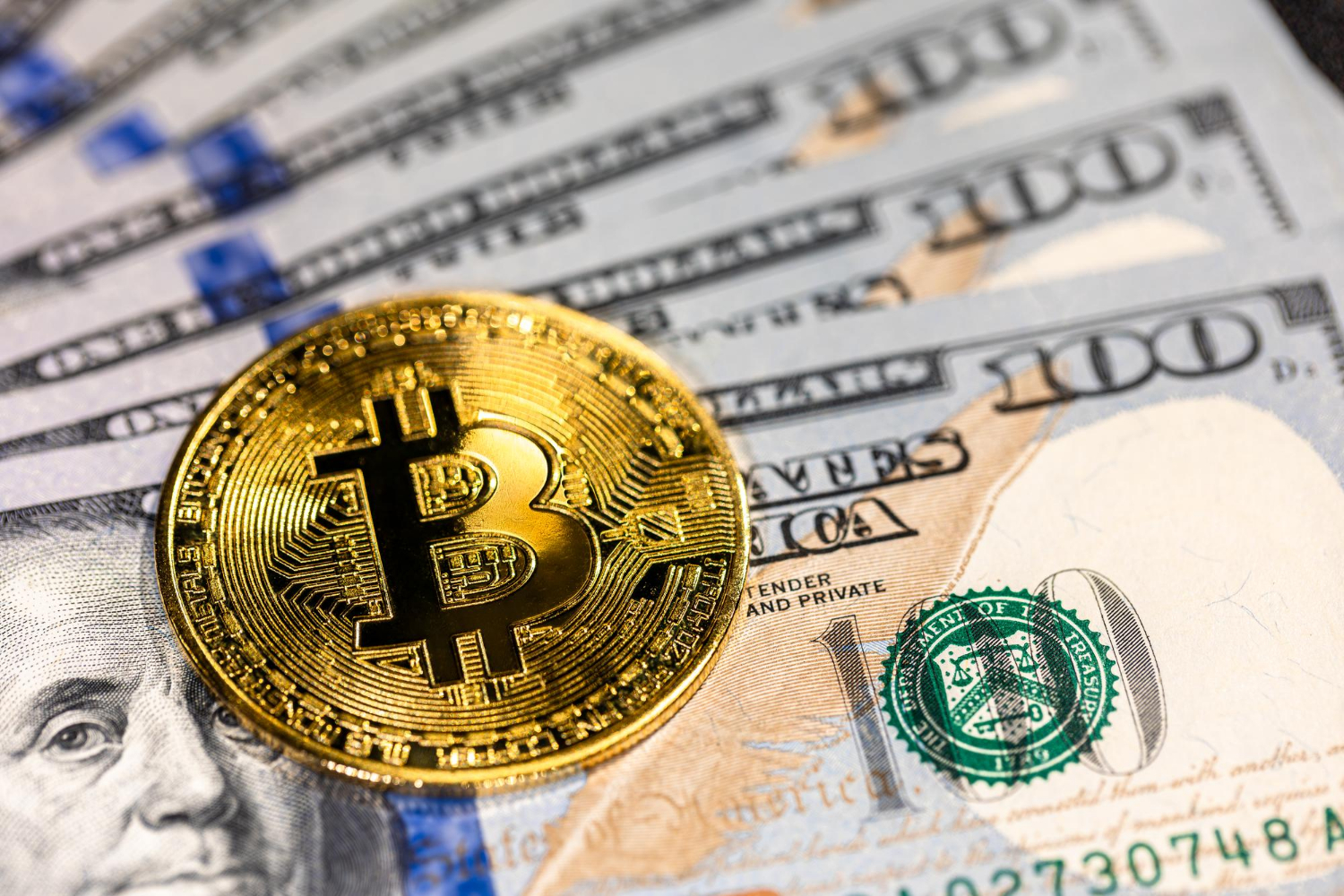
As the greenback loses momentum, investors, institutions, and even governments are actively seeking alternatives. Cryptocurrencies, gold, commodities, emerging market currencies, and digital assets are increasingly being viewed not merely as speculative instruments but as strategic hedges against dollar depreciation and systemic risk. This transition marks a historic moment in the evolution of global finance.
This article explores how dollar weakness is reshaping investment behavior, driving capital toward crypto and alternative assets, and potentially redefining the future of the international monetary system.
The Structural Causes Behind U.S. Dollar Weakness
The recent softness in the U.S. dollar is not the result of a single event but rather a convergence of structural and cyclical forces that have been building for years. Understanding these drivers is essential to grasp why investors are shifting toward alternative assets.
One of the most significant factors is the explosive growth of U.S. national debt. The United States now carries debt levels exceeding its annual economic output, with continuous borrowing required to finance government spending, social programs, and interest payments. When debt rises faster than economic growth, confidence in long-term currency strength weakens. Investors begin to question whether the dollar can maintain purchasing power over time.
Inflation has also played a central role. While inflation surged globally after the pandemic, the United States experienced particularly persistent price pressures. Even as inflation moderates, the perception that the Federal Reserve may tolerate higher inflation to manage debt burdens has eroded confidence in the dollar’s long-term value.
Another structural challenge comes from the shift in global trade alliances. Countries are increasingly settling trade in local currencies rather than dollars. Bilateral agreements between major economies have reduced reliance on the greenback, gradually weakening its monopoly in global commerce.
Geopolitics has amplified this trend. Financial sanctions imposed by the United States have encouraged many nations to diversify away from the dollar to reduce exposure to U.S. financial influence. The result is a slow but steady process often described as “de-dollarization.”
Finally, interest rate cycles also play a role. When U.S. interest rates stop rising or begin falling, global investors search for higher returns elsewhere. Capital outflows weaken the dollar and strengthen alternative investment destinations.
Together, these forces have created a powerful narrative: the dollar may remain dominant, but its era of unquestioned supremacy is fading.
Cryptocurrency as the New Hedge Against Currency Risk
As confidence in fiat currencies wavers, cryptocurrencies have emerged as one of the most prominent beneficiaries of dollar weakness. Originally viewed as speculative assets, digital currencies are increasingly being treated as macroeconomic hedges.
Bitcoin, often called “digital gold,” has gained traction because of its fixed supply. Unlike fiat currencies, which can be printed in unlimited quantities, Bitcoin has a hard cap of 21 million coins. This scarcity appeals to investors worried about currency debasement.
When the dollar weakens, global investors look for assets that cannot be diluted by central bank policies. Bitcoin’s decentralized nature makes it particularly attractive in this environment. It operates outside the control of governments, central banks, or financial institutions, offering a form of monetary independence.
Institutional adoption has accelerated this trend. Major asset managers, hedge funds, and corporations now hold Bitcoin and other cryptocurrencies as part of diversified portfolios. This institutional participation has transformed crypto from a fringe experiment into a recognized asset class.
Stablecoins represent another dimension of the crypto boom. These digital tokens, often pegged to the dollar or other assets, enable fast and borderless transactions. Ironically, even as the dollar weakens, dollar-based stablecoins are limiting reliance on traditional banking systems and expanding the role of blockchain in global finance.
Decentralized finance (DeFi) has further strengthened crypto’s appeal. DeFi platforms allow users to lend, borrow, trade, and earn interest without traditional intermediaries. In regions with unstable currencies, DeFi provides access to financial services that would otherwise be unavailable.
The combination of scarcity, decentralization, and technological innovation has positioned cryptocurrencies as a powerful hedge against currency instability.
Gold, Commodities, and Real Assets Regain Momentum
While cryptocurrencies capture headlines, traditional alternative assets are also benefiting from dollar weakness. Gold, in particular, has reasserted its role as a store of value during times of monetary uncertainty.
Historically, gold and the dollar share an inverse relationship. When the dollar declines, gold prices tend to rise. Investors turn to gold because it has preserved purchasing power for thousands of years. Unlike paper currency, gold cannot be printed, making it a reliable hedge against inflation and currency depreciation.
Central banks themselves are driving demand. Many nations have increased gold reserves in recent years, signaling a desire to diversify away from dollar-denominated assets. This trend underscores the growing skepticism toward long-term dollar dominance.
Commodities such as oil, copper, lithium, and agricultural products are also gaining attention. A weaker dollar makes commodities cheaper for foreign buyers, boosting global demand. At the same time, supply constraints and rising infrastructure spending have pushed commodity prices higher.
Real estate and infrastructure investments are also benefiting. Physical assets tend to hold value during periods of currency depreciation. Investors view them as tangible stores of wealth that can generate income and appreciate over time.
This resurgence of real assets reflects a broader shift in investment philosophy. Instead of relying solely on financial assets, investors are increasingly prioritizing tangible, scarce, and productive resources.
Emerging Markets and Currency Diversification
Another major consequence of dollar weakness is the rising attractiveness of emerging markets. For decades, emerging economies faced challenges because of dollar strength. A strong dollar made it more expensive to service dollar-denominated debt and import goods.
Now, the environment is changing. A weaker dollar reduces debt burdens for emerging economies and encourages capital inflows. Investors seeking higher yields and growth opportunities are increasingly turning toward developing markets.
Countries are also promoting the use of local currencies in trade. Regional trade agreements and currency swap arrangements are reducing dependence on the dollar. This shift allows nations to conduct commerce without relying on U.S. financial infrastructure.
Digital currencies issued by central banks (CBDCs) are playing a role as well. These government-backed digital currencies aim to modernize payment systems and reduce reliance on foreign currencies. Several countries are actively exploring cross-border payment systems using CBDCs.
Foreign exchange reserves are gradually diversifying. Instead of holding primarily dollars, central banks are adding euros, yuan, gold, and other assets. This diversification reduces vulnerability to dollar fluctuations.
The growing importance of emerging markets reflects a more multipolar financial world. Economic power is no longer concentrated in a single currency or region.
The Rise of a Multipolar Financial System
The shift away from the dollar is not about replacing one dominant currency with another. Instead, the world appears to be moving toward a multipolar financial system.
In this emerging framework, multiple currencies and asset classes coexist as global reserves. The euro, Chinese yuan, and other regional currencies are gaining influence. Digital assets and blockchain technology are introducing entirely new forms of money.
This transformation mirrors broader geopolitical changes. As global power becomes more distributed, financial systems are evolving to reflect a more balanced international order.
Technology is accelerating this transition. Cross-border payment systems, digital wallets, and blockchain networks are reducing friction in global finance. Transactions that once required banks and intermediaries can now occur instantly and cheaply.
Investors are adapting to this new reality by diversifying portfolios across currencies, regions, and asset classes. Instead of relying on a single safe haven, they are building resilient portfolios designed to withstand uncertainty.
This multipolar system may prove more stable in the long run. Diversification reduces systemic risk and prevents excessive dependence on any single currency.
Conclusion
The weakening of the U.S. dollar marks a pivotal moment in the evolution of global finance. While the dollar is unlikely to lose its reserve status anytime soon, its era of unquestioned dominance is clearly fading. Rising debt, persistent inflation concerns, geopolitical shifts, and technological innovation are reshaping the monetary landscape.
In response, investors, institutions, and governments are diversifying into cryptocurrencies, gold, commodities, emerging markets, and digital assets. This migration toward alternatives reflects a growing desire for resilience, independence, and protection against currency risk.
The rise of crypto as a macro hedge, the resurgence of real assets, the growth of emerging markets, and the development of digital currencies all point toward a more decentralized and multipolar financial system. Rather than a sudden collapse of the dollar, the world is witnessing a gradual rebalancing of monetary power.
For investors, this transition presents both risks and opportunities. Those who adapt to the changing landscape by embracing diversification and understanding new asset classes may benefit from the shift. Those who rely solely on traditional models may struggle in a world where financial power is no longer concentrated in a single currency.
Ultimately, the dollar’s weakness is not just a story about one currency. It is a story about the transformation of global finance itself — a transition toward a more diverse, decentralized, and resilient monetary future.